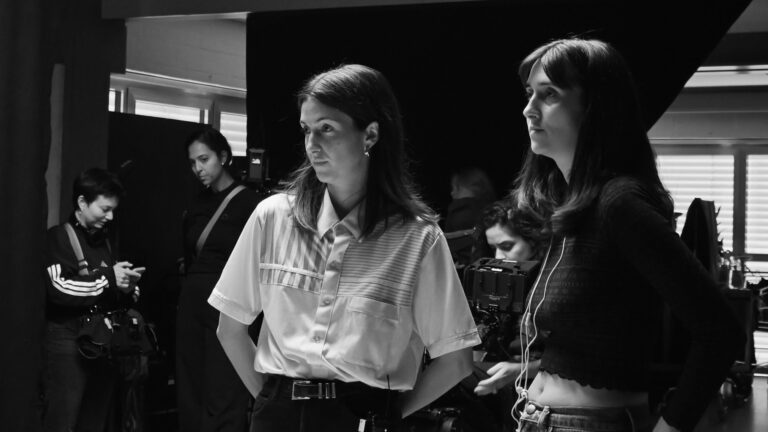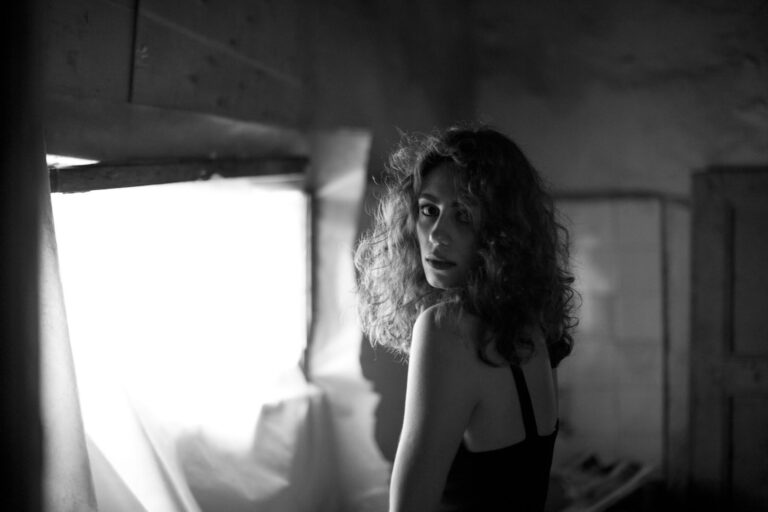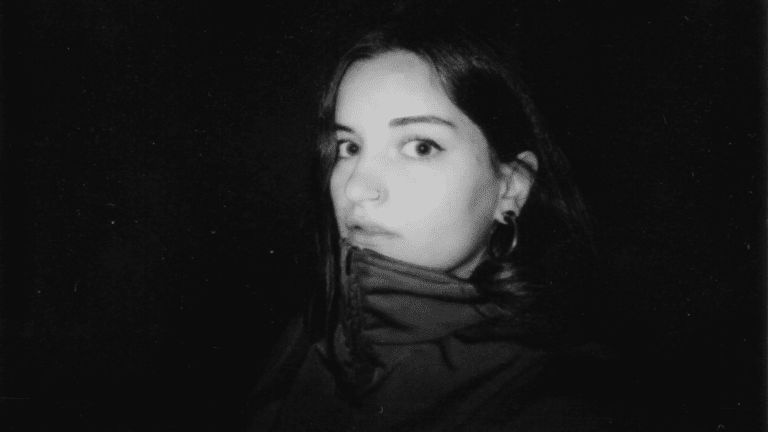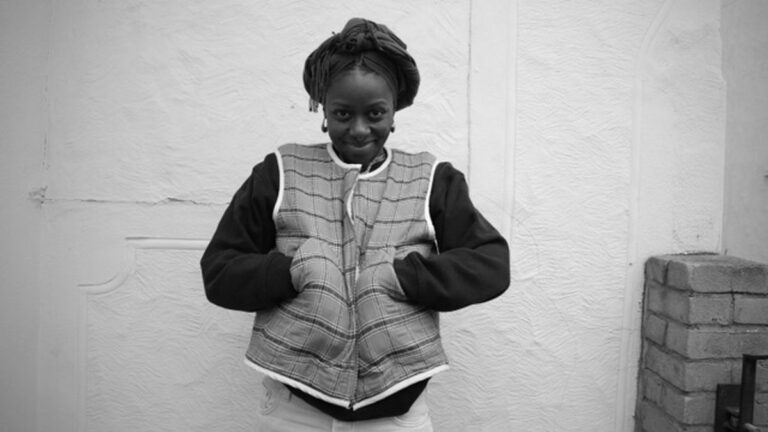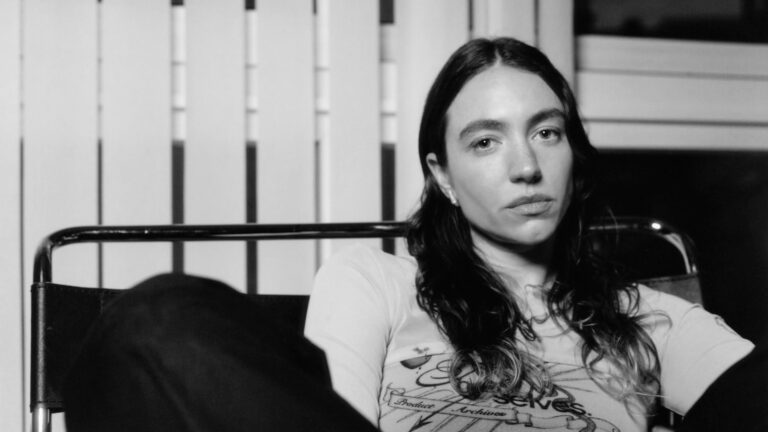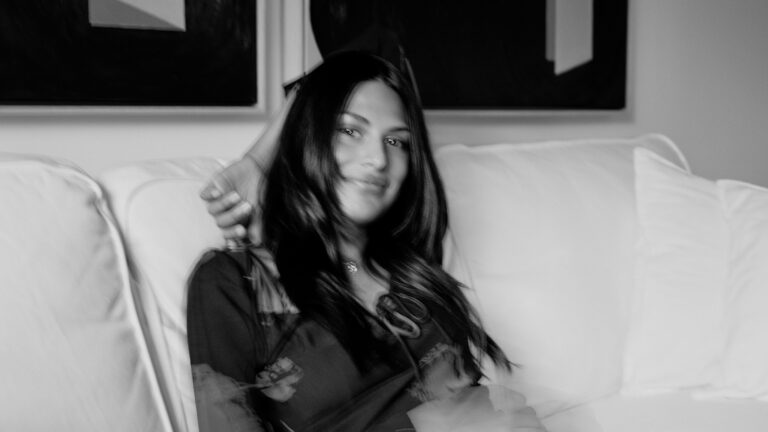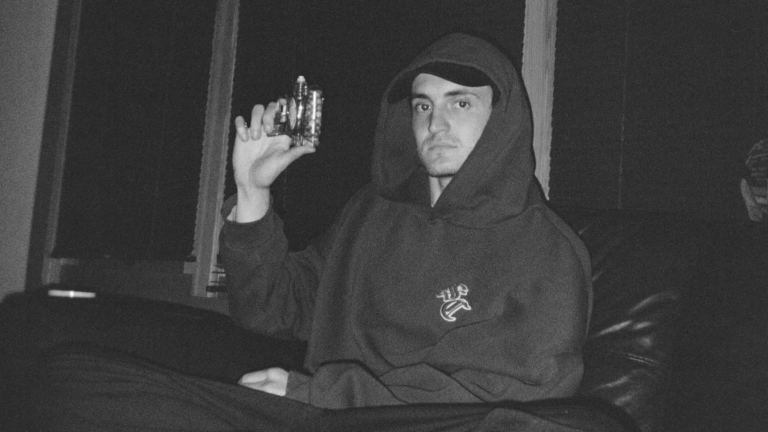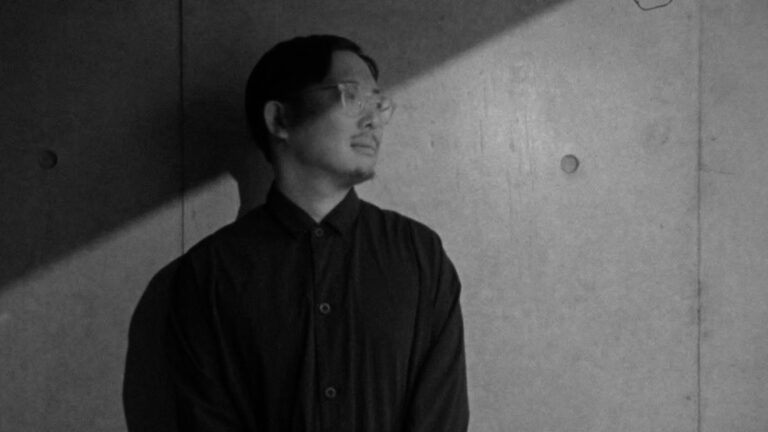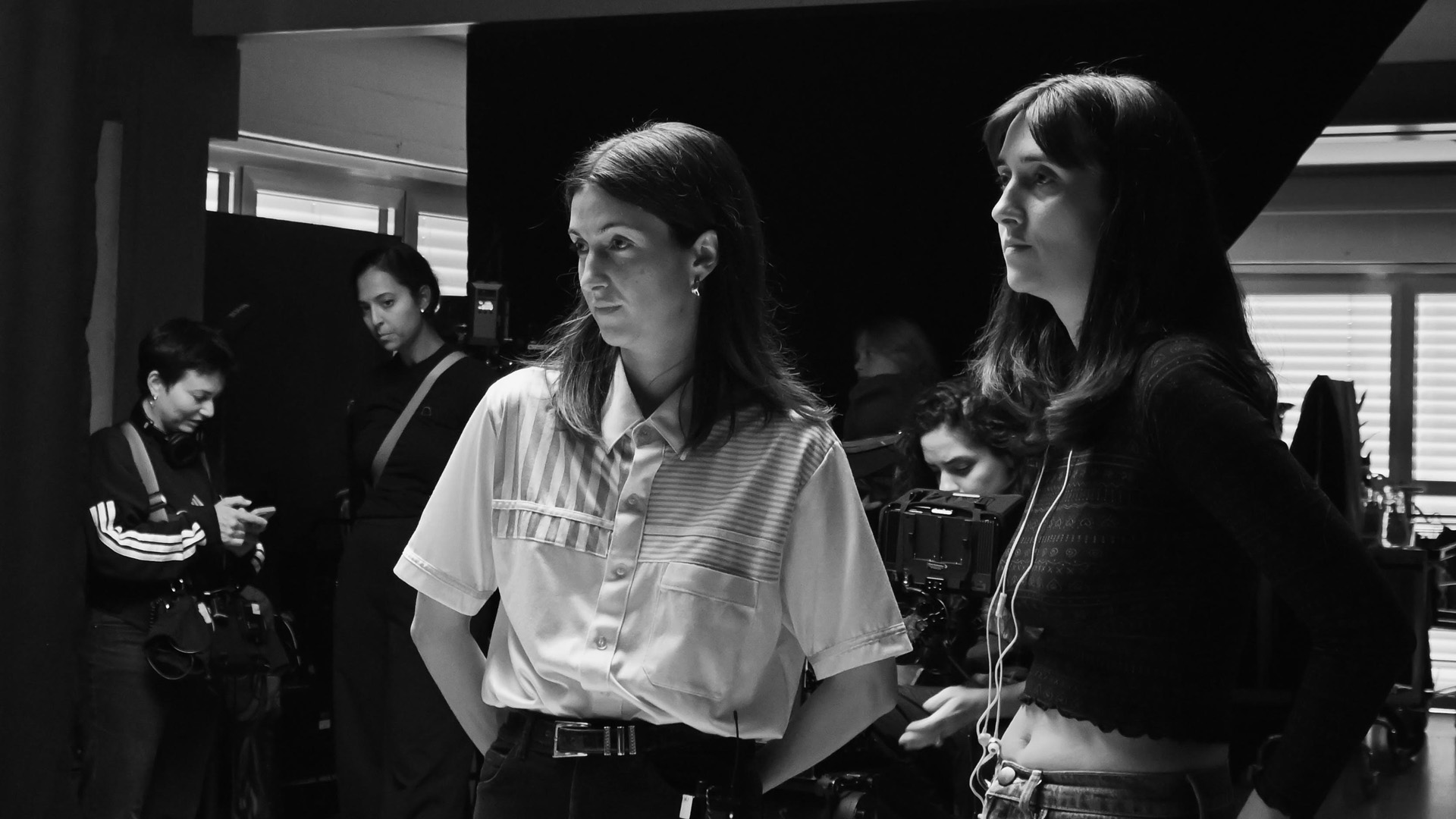
Below are Nüesch Sisters’ SELECTS:
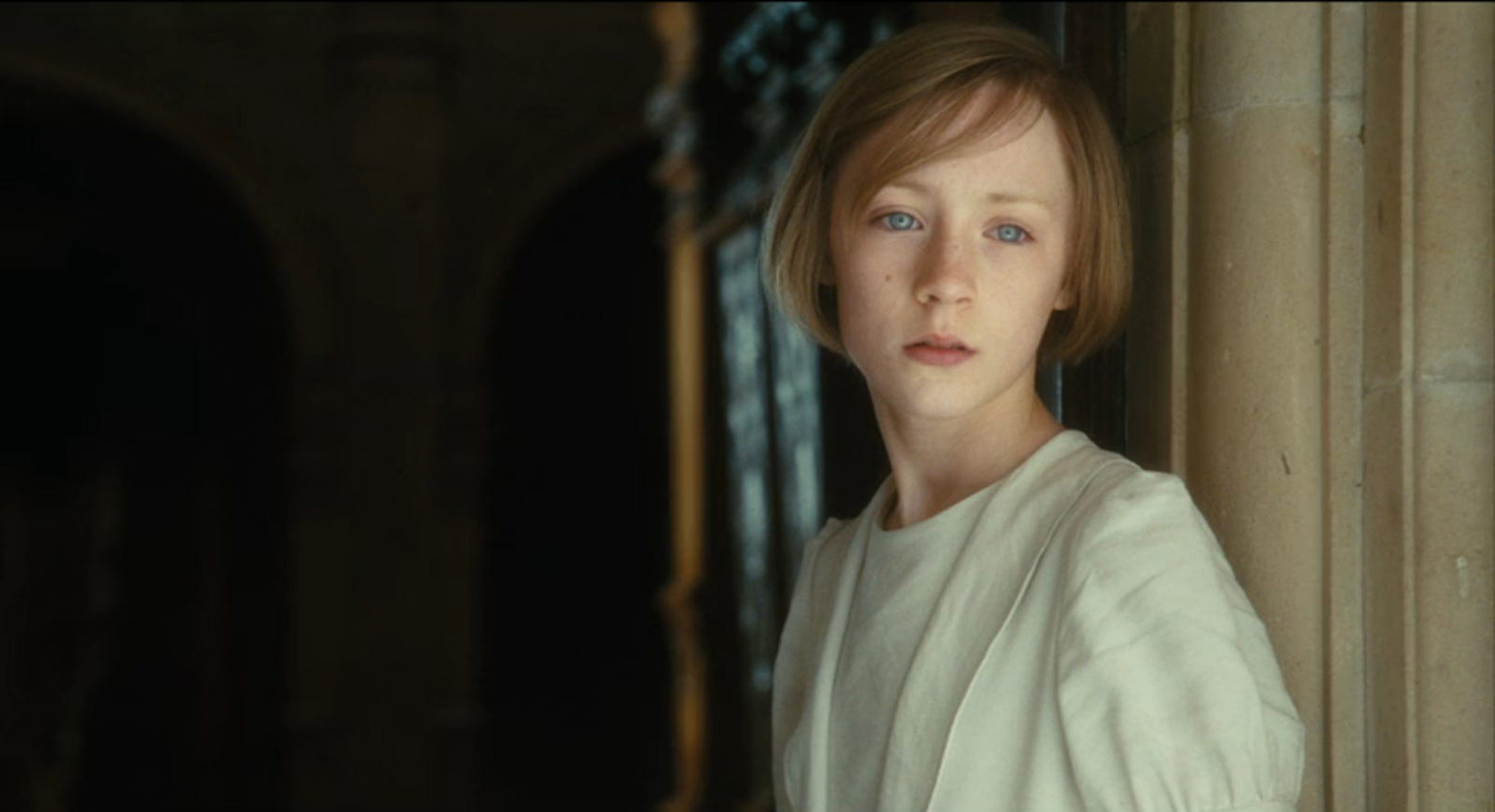
One of our all-time favourite films, Atonement is a masterpiece of craft and storytelling that we watched countless times. Wright played the score on set to choreograph the actors and camera movements, creating unparalleled synchronicity that has an immense emotional impact.
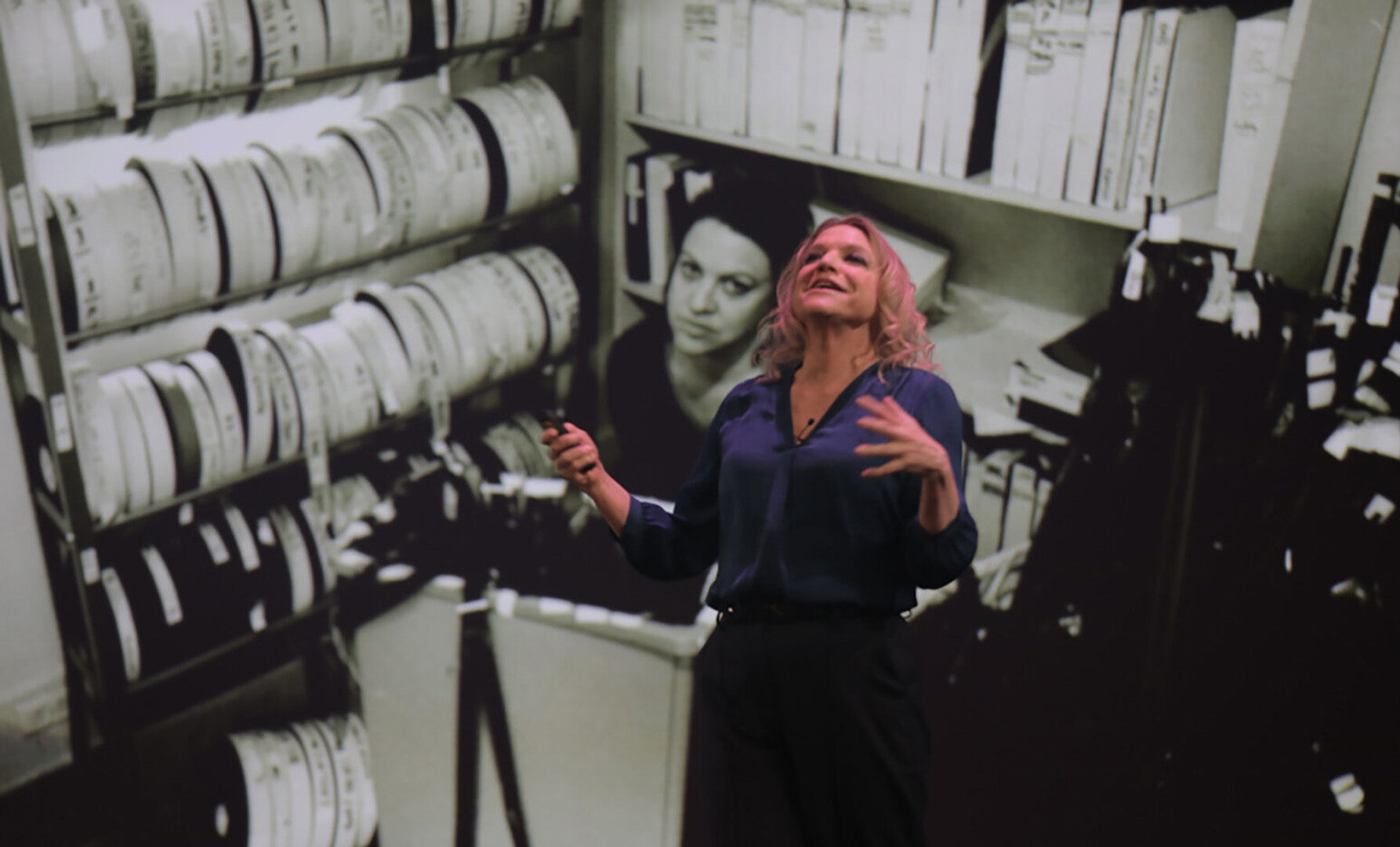
Menkes’ documentary is incredibly insightful in the way it examines the male gaze, not just as a question of representation, but how the visual language of cinema can influence the way women are seen – and see themselves – in real life. It really made us re-examine how we portray women in our own work and think more consciously about where we place the camera and whose perspective we are taking.
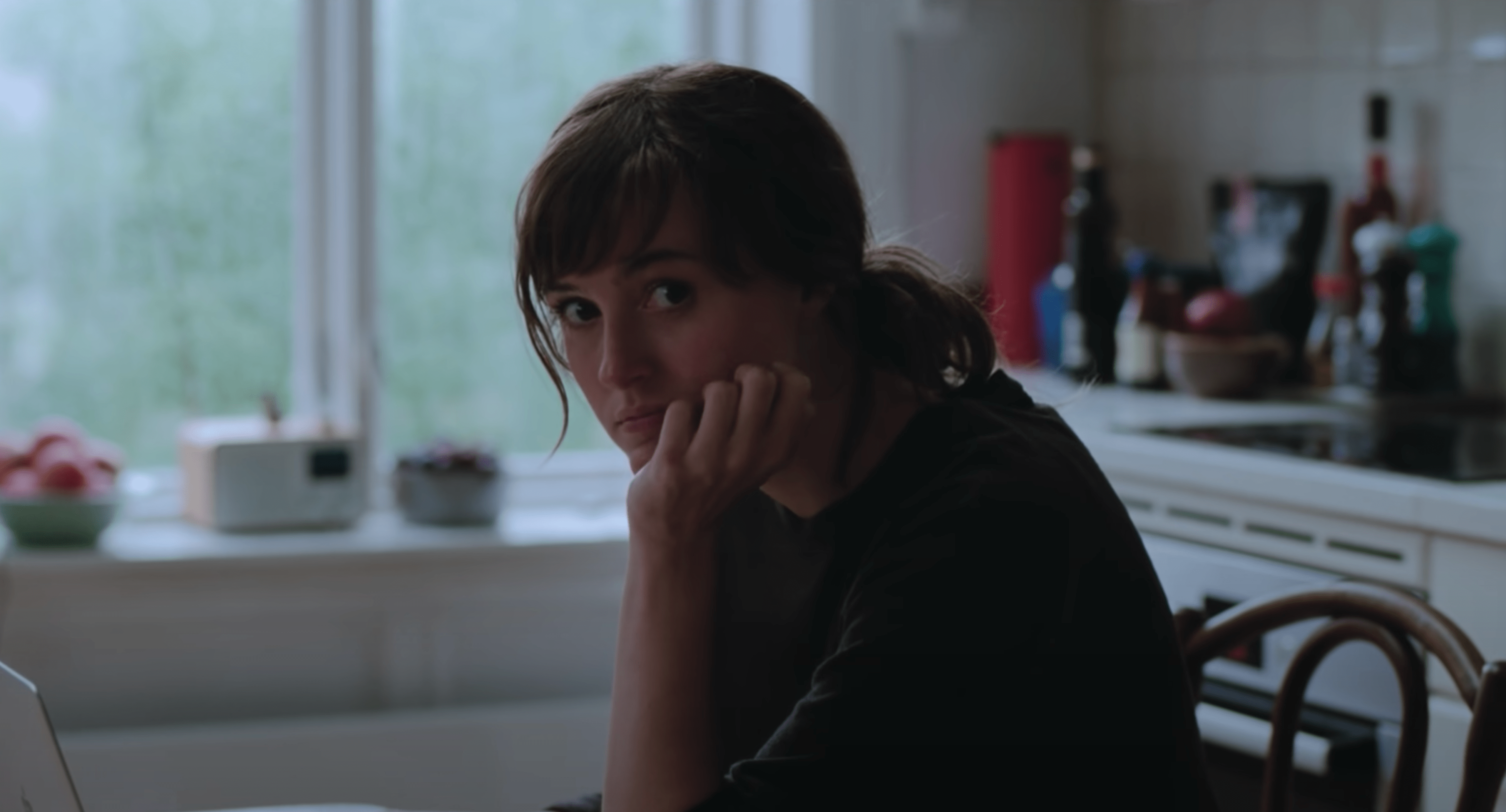
We love that Julie is allowed to be aimless and doesn’t have the kind of clear external goal we are so often taught a protagonist needs, and yet the story has enormous forward movement. It was a great reminder that a character searching for what they want can be just as compelling as one relentlessly pursuing it.
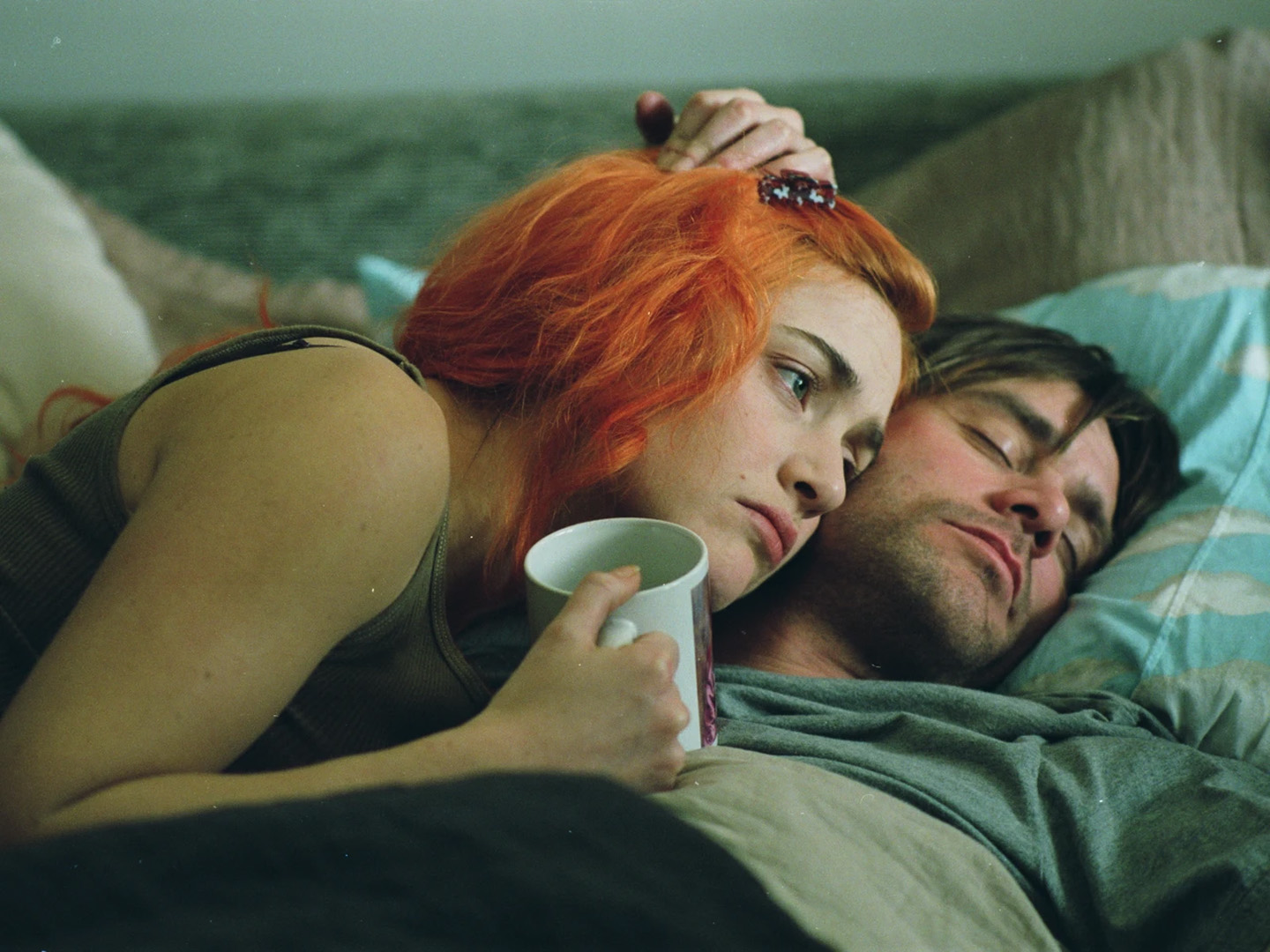
Michel Gondry creates a world that is funny, strange and surreal, yet completely relatable at its very human core: the desire to forget someone who has hurt us, while simultaneously wanting to hold onto them for dear life. We love films that use an imaginative concept to get at something painfully human, and few do it better than this.
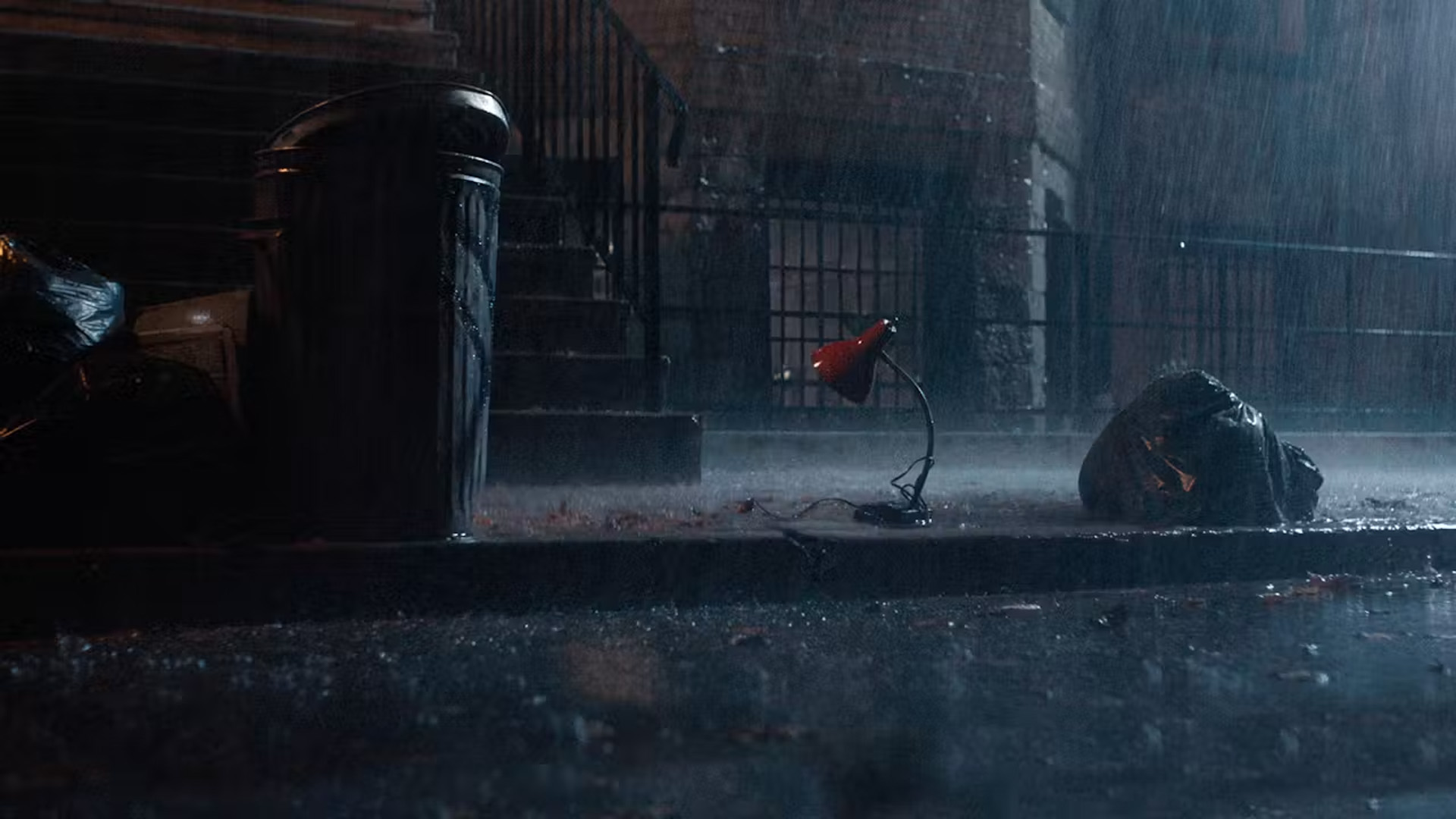
The idea that you can make us feel for absolutely anything – even an inanimate object – simply through perspective, music and camera work is genius. It’s such a heartbreaking and funny commercial, and a brilliant lesson in how filmmaking can manipulate our emotions.
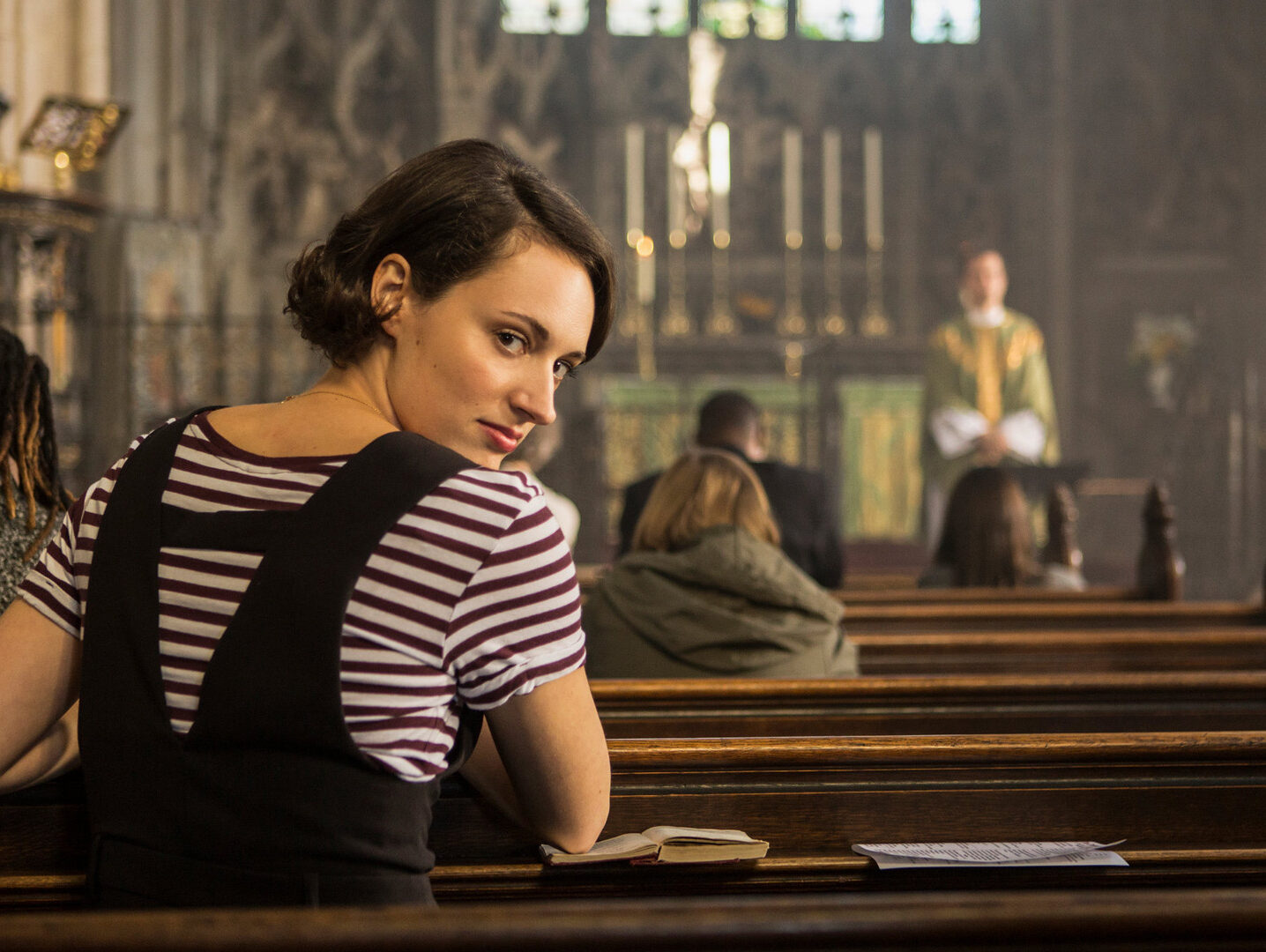
Fleabag showed us how deep and heartbreaking comedy can be. We especially loved its use of the broken fourth wall: what begins as a clever comedic device gradually reveals Fleabag’s emotional isolation, until form and character become inseparable.

Koreeda tells the story with extraordinary sensitivity, unfolding it through three different perspectives. The film really captures what cinema can do at its best: allow us to see the world through someone else’s eyes.
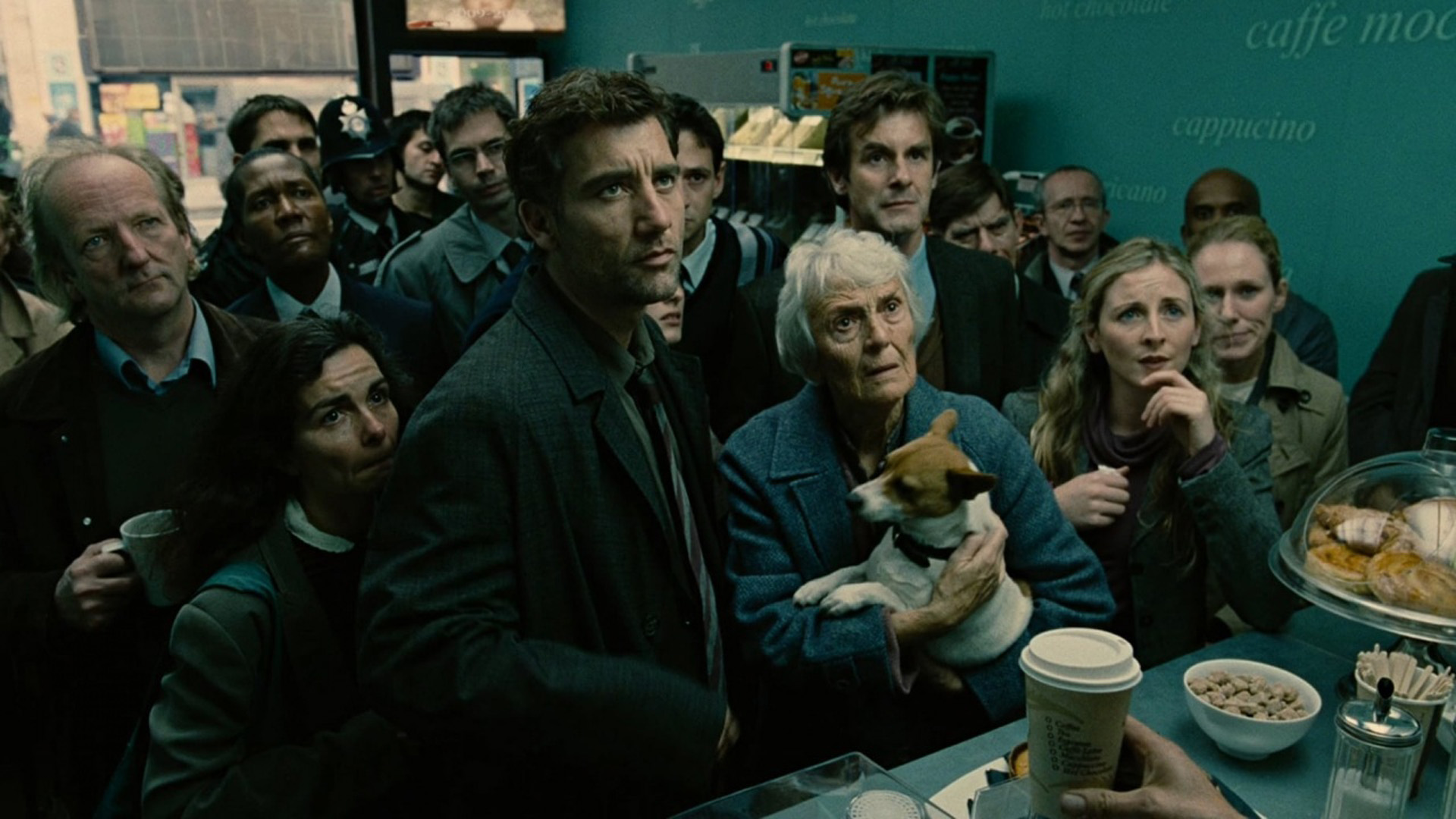
In our opinion, this is one of the greatest film openings. In just two minutes, it gives us a strikingly concise sense of Theo, the protagonist, and his indifference to the dystopian world he lives in. And it ends with a bang, literally.

An incredible debut film. We loved the use of camcorder footage to explore memory and the attempt to reconstruct a parent who is no longer there – and who therefore remains, in some ways, forever unknowable. The performances are incredible too.