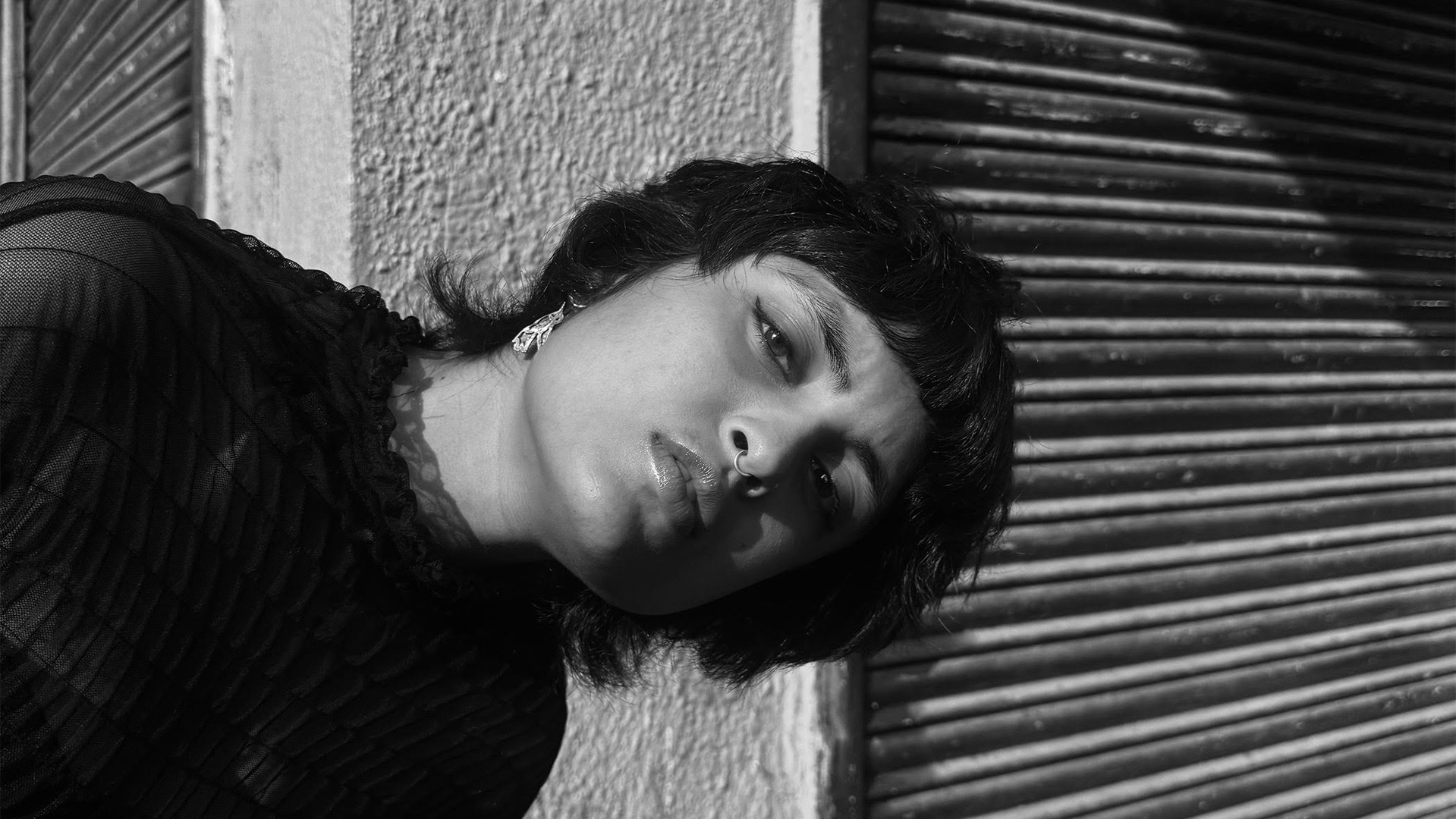
Below are Songjukta’s SELECTS:
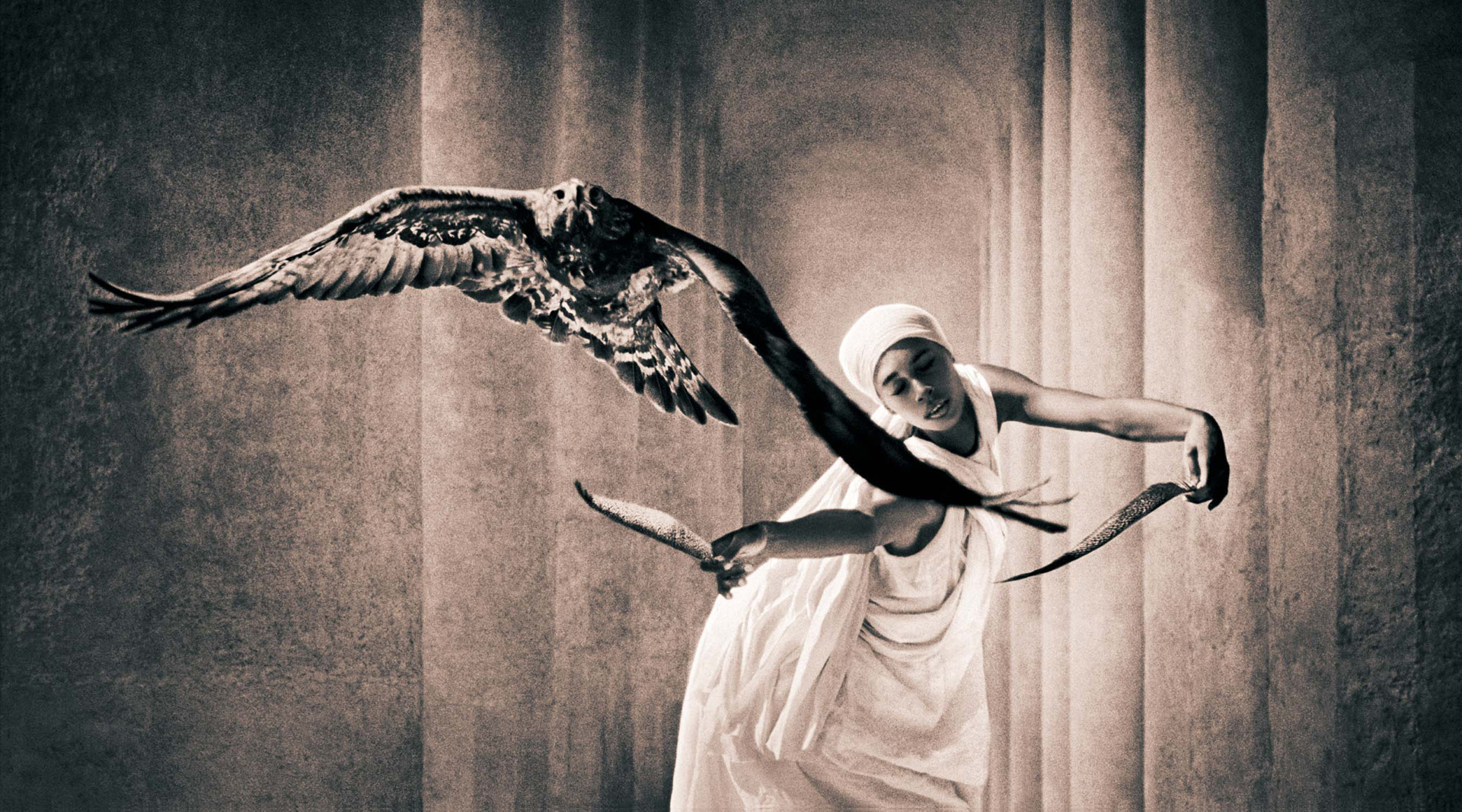
This film surprises me with its beauty before I even understand the mechanics or how it is done. Colbert treats the camera as an “instrument played by the human eye.” This thought has quietly influenced how I project my imagination on screen, trying to create replicas of visuals captured by my eyes.
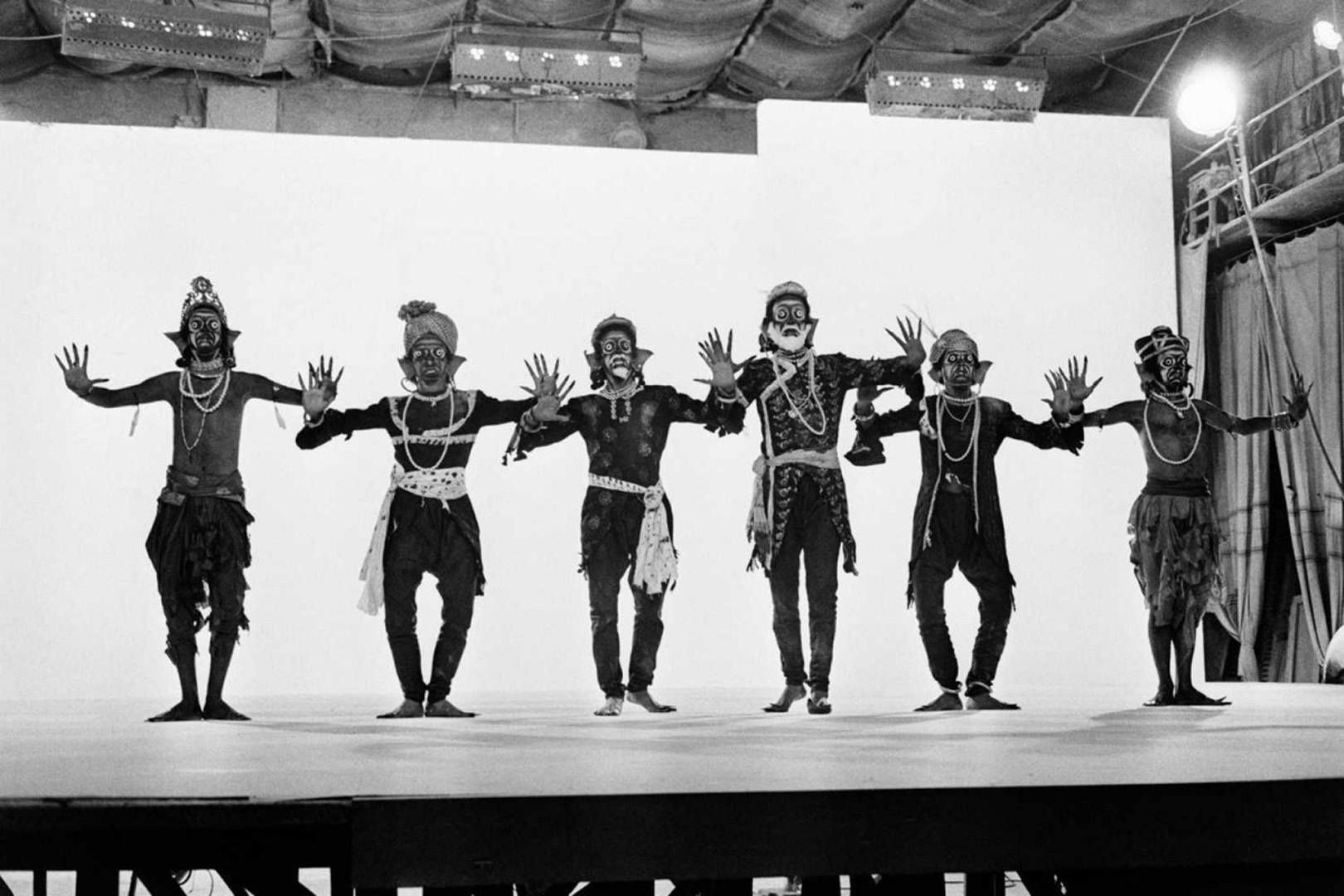
One of my fondest memories is watching this Bengali masterpiece. At first, it was about the oddity of it all. Now, it reminds me of how deeply political the film really is. It’s about two goofy musicians who stumble into magical powers and use them to confront tyranny with music, wit, and imagination.
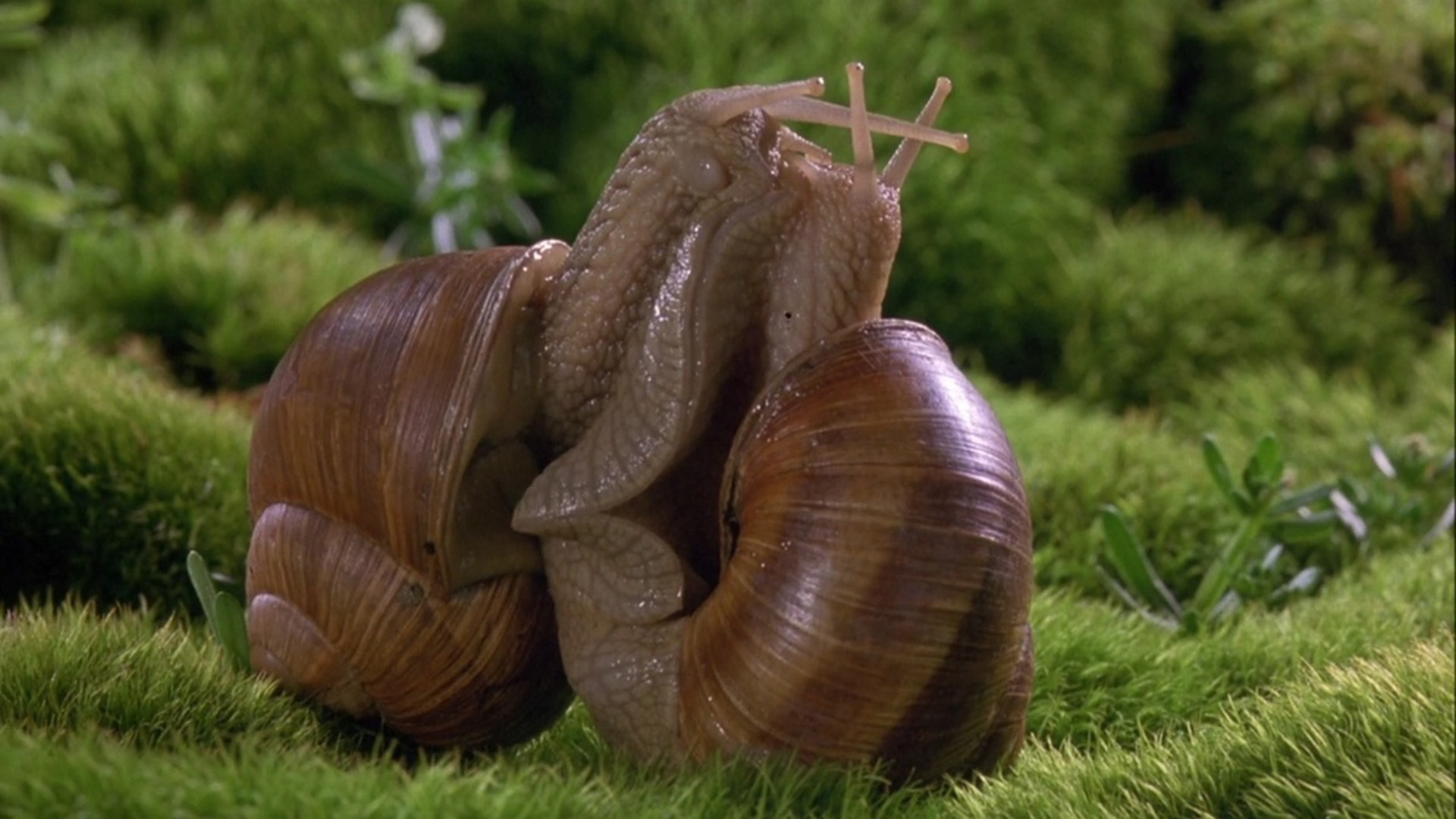
I am obsessed with atmospheric textures and soundscapes. The film shows that the world exists in overlooked places, the hidden realm of tiny creatures, insects, and the best phenomenon of them all, fractals. Ultra wides and macros aren’t two separate worlds after all.
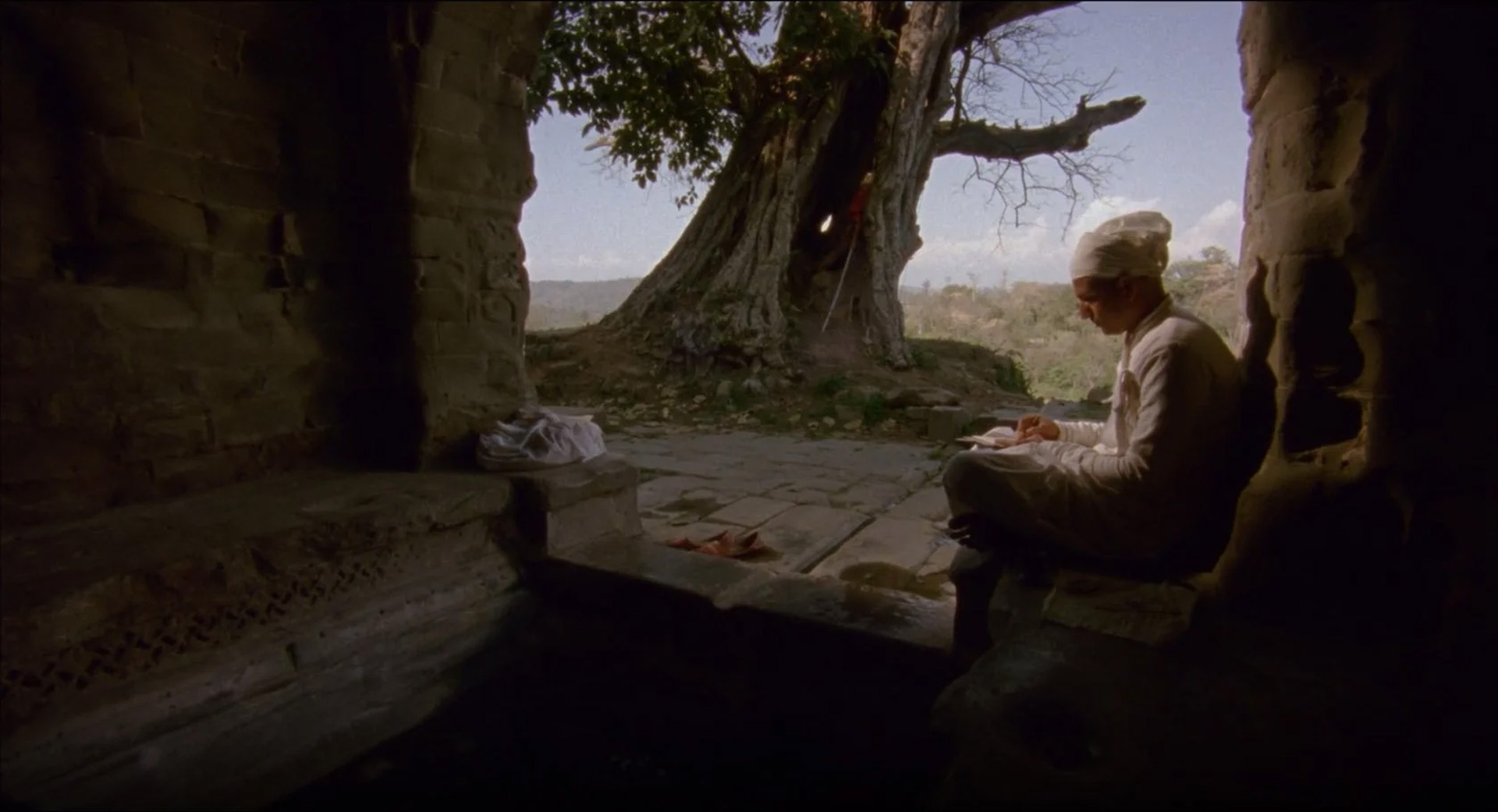
Imagine watching a tree being painted. A gust of wind makes the leaf move on the surface of the canvas, and the next moment the canvas has transformed into a motion picture. That is what ‘Nainsukh’ feels like.
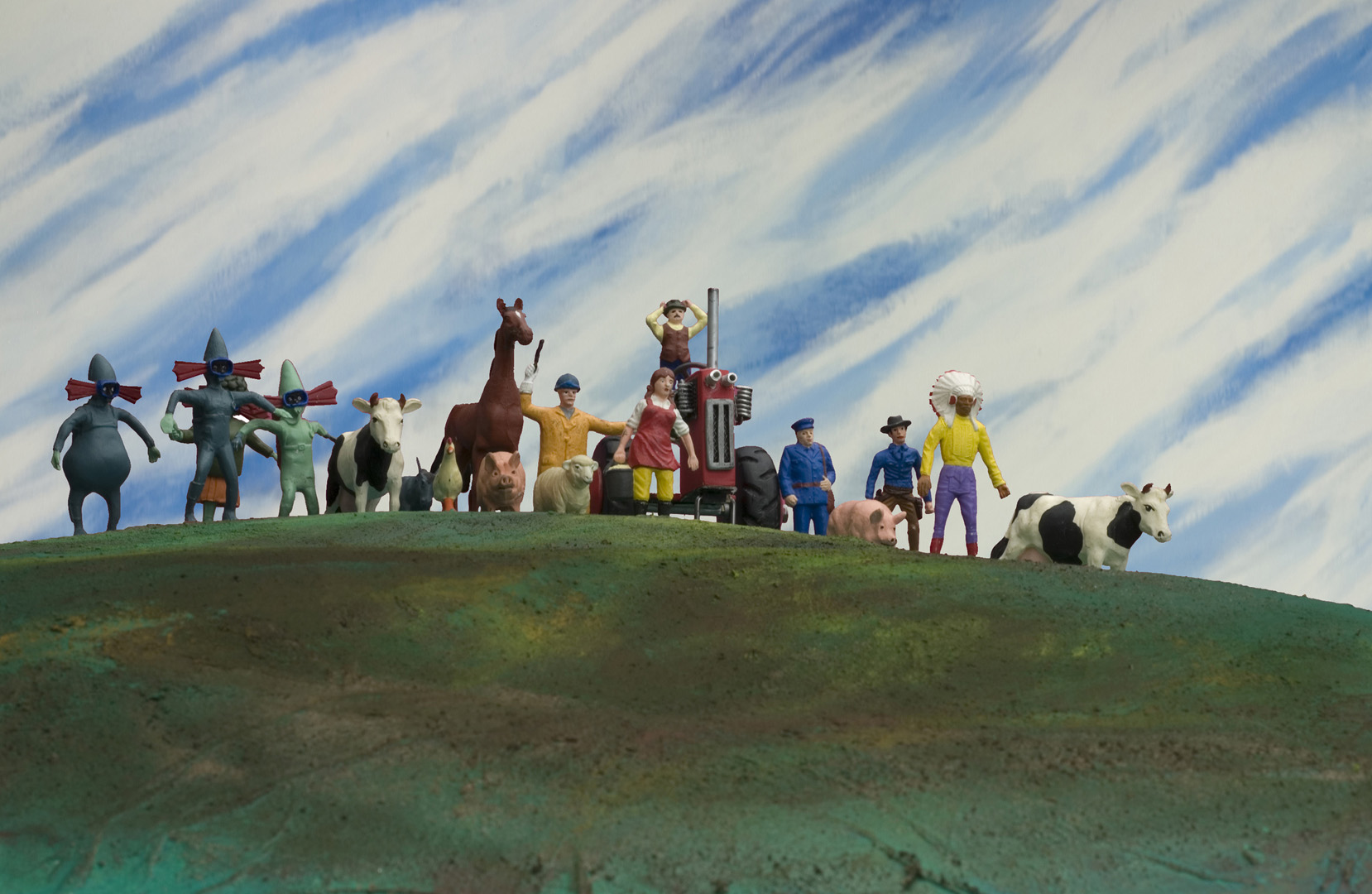
A personal reminder that films don’t always need logic. It is a meticulously made stop-motion film using children’s toys that a seven-year-old would love, but a middle-aged adult would probably enjoy even more.
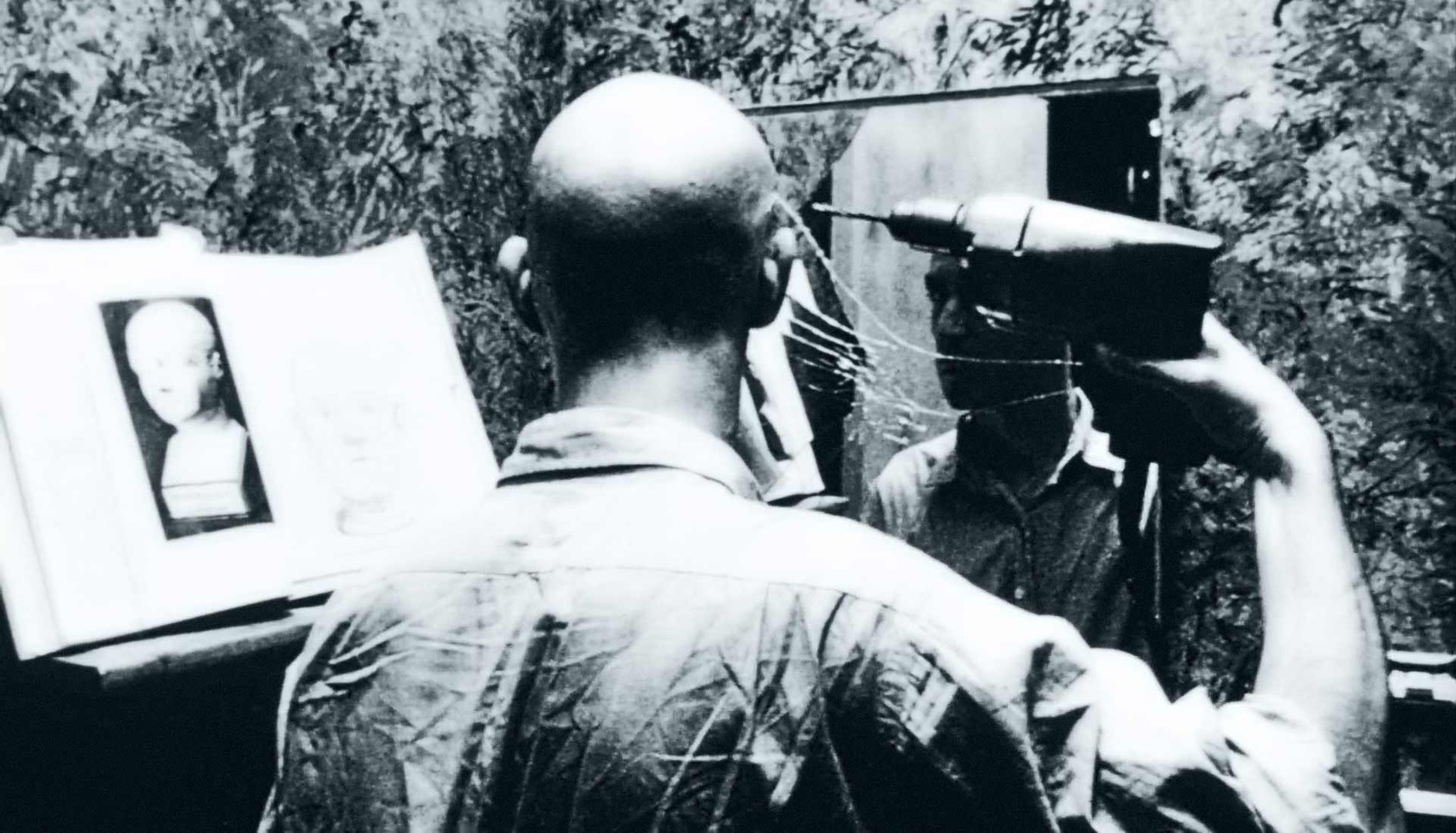
For someone who is genuinely scared of maths, I felt undefeatable making it to the end of this film. It was also my introduction to Aronofsky’s visceral mind.
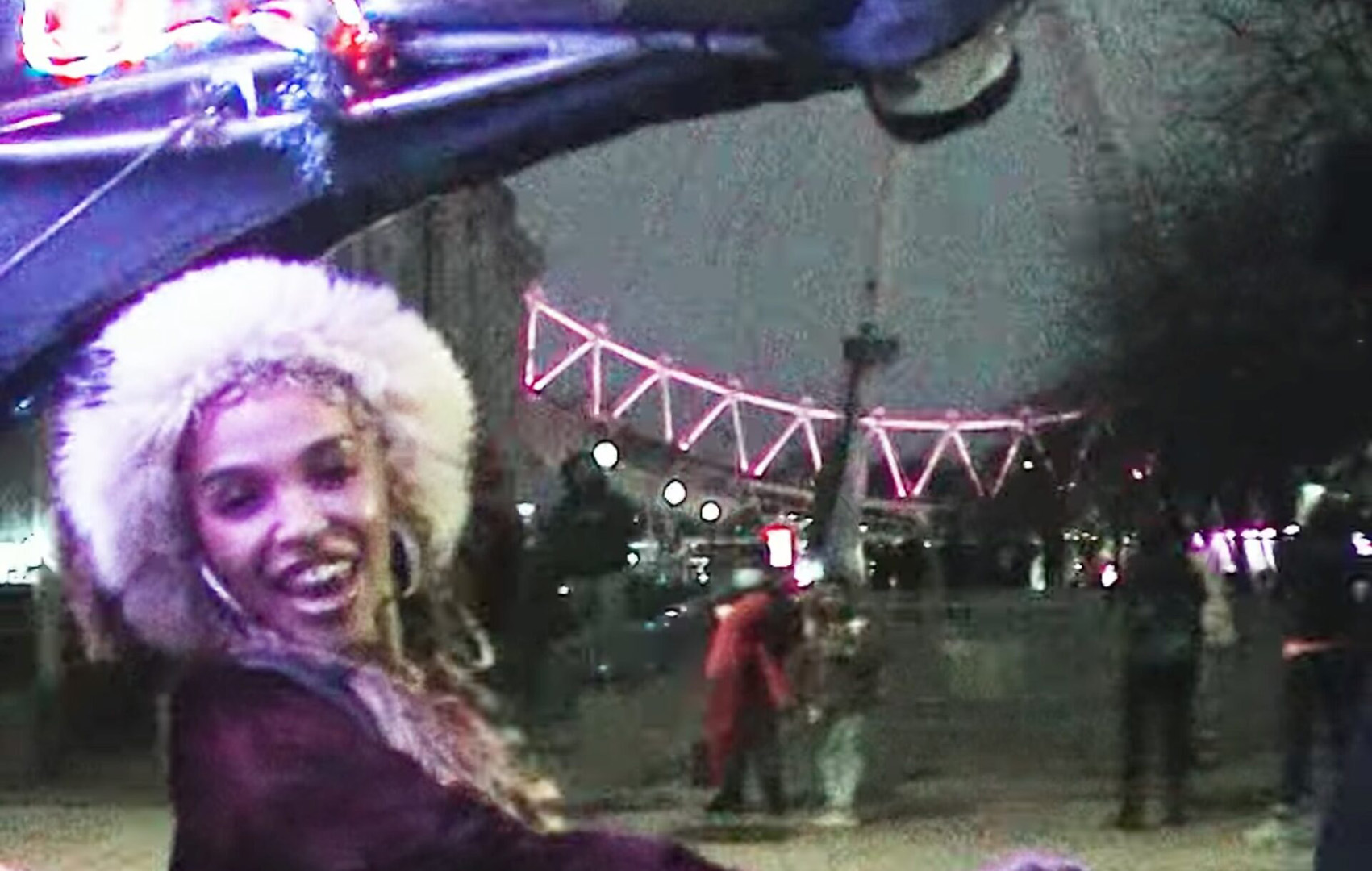
Twigs’ works hold a special place in my heart. This one in particular is raw and makeshift in the best way. It feels like an indirect permission to approach videos with an intuitive feeling rather than preset limitations.
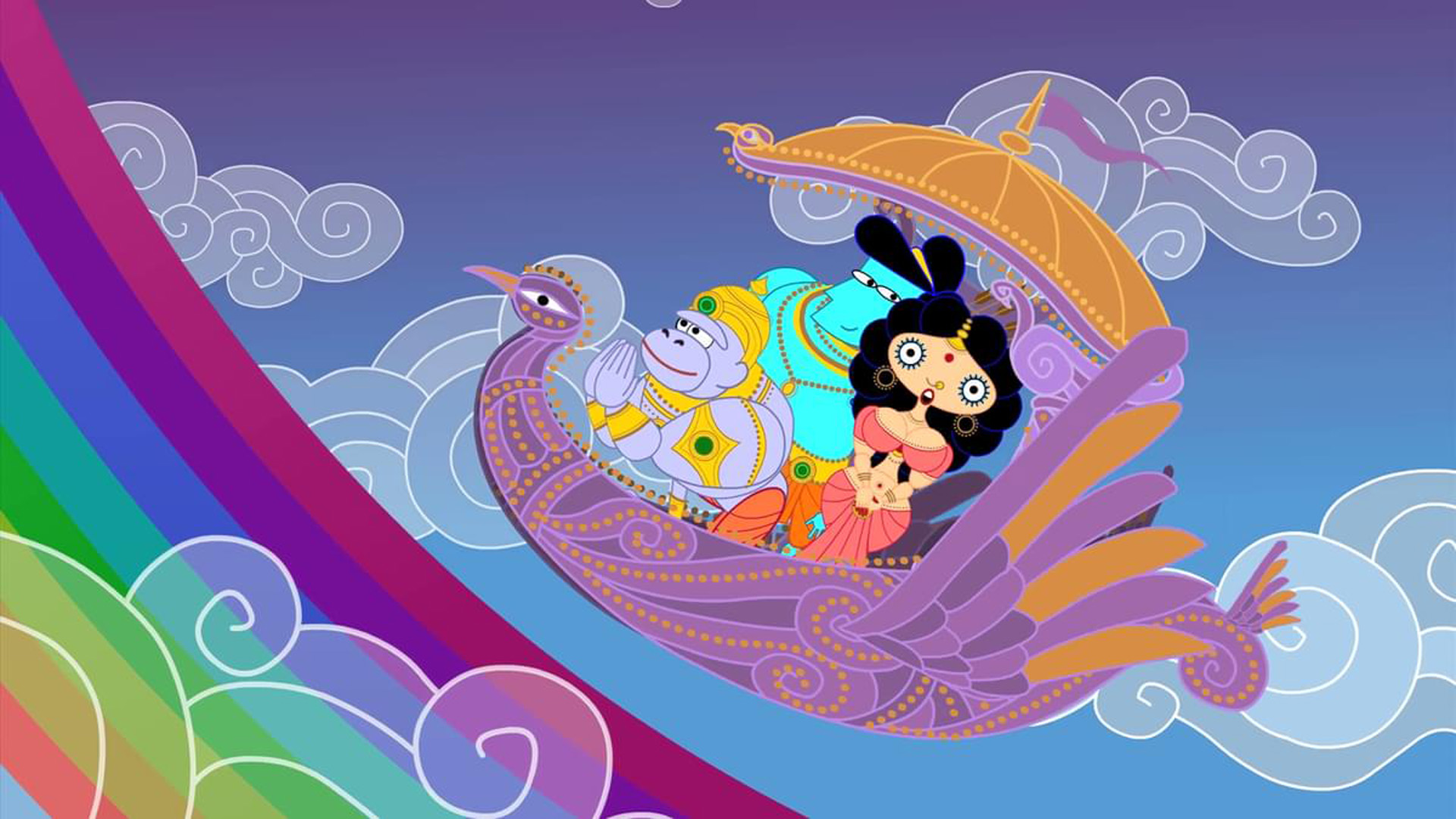
The Indian epic of the ‘Ramayana’ retold from Sita’s point of view. It parallels Nina Paley’s modern-day heartbreak with Sita’s. The shifting styles of animation are used to set apart the timelines, which I love.