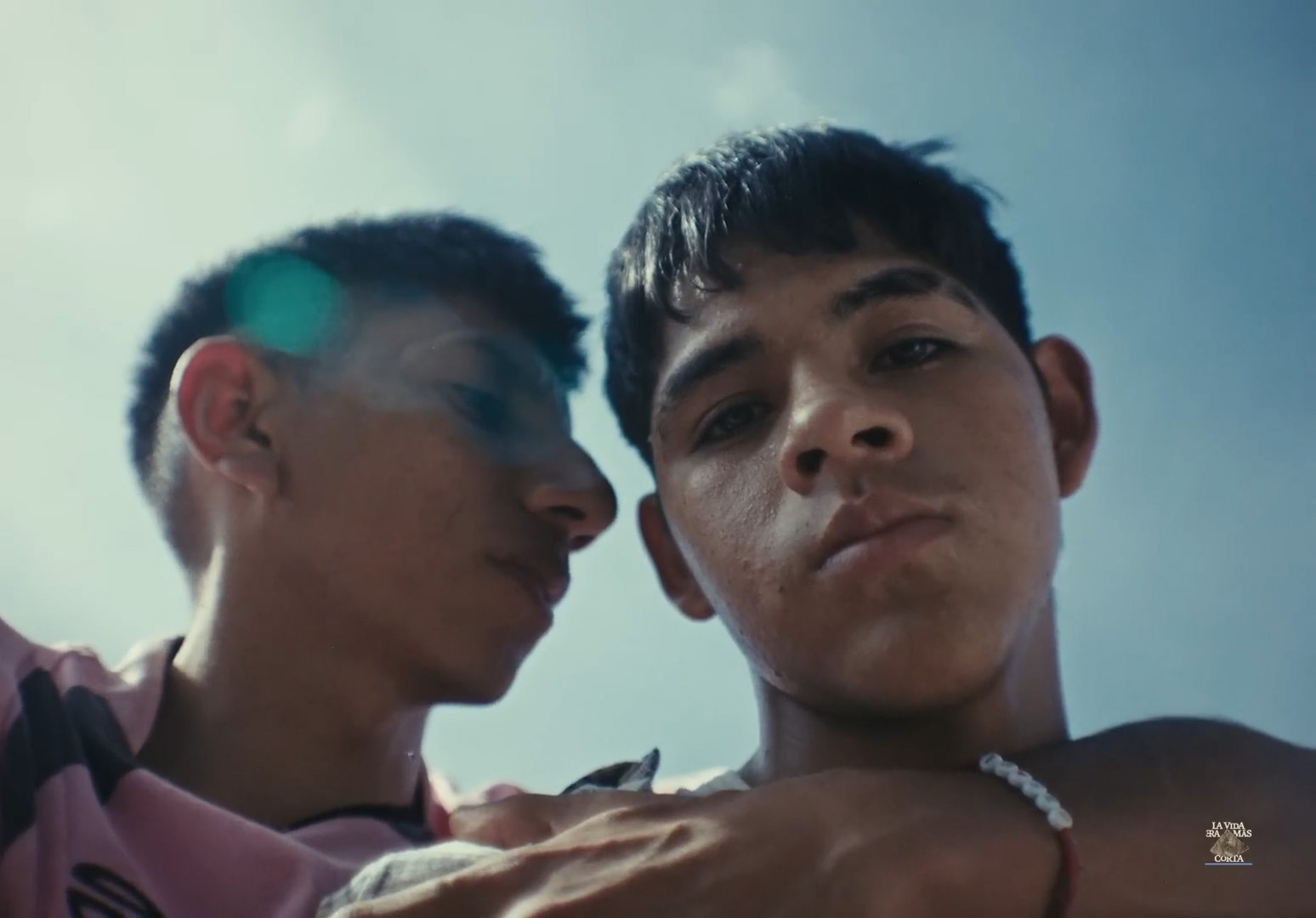
I grew up by the mountains in Córdoba, Argentina, and this video took me straight back to small-town life. I find Milo’s pride in where he comes from really inspiring. The way he brings Argentine folklore and Indigenous voices into contemporary music makes me want to keep looking towards my own culture in the work I make.
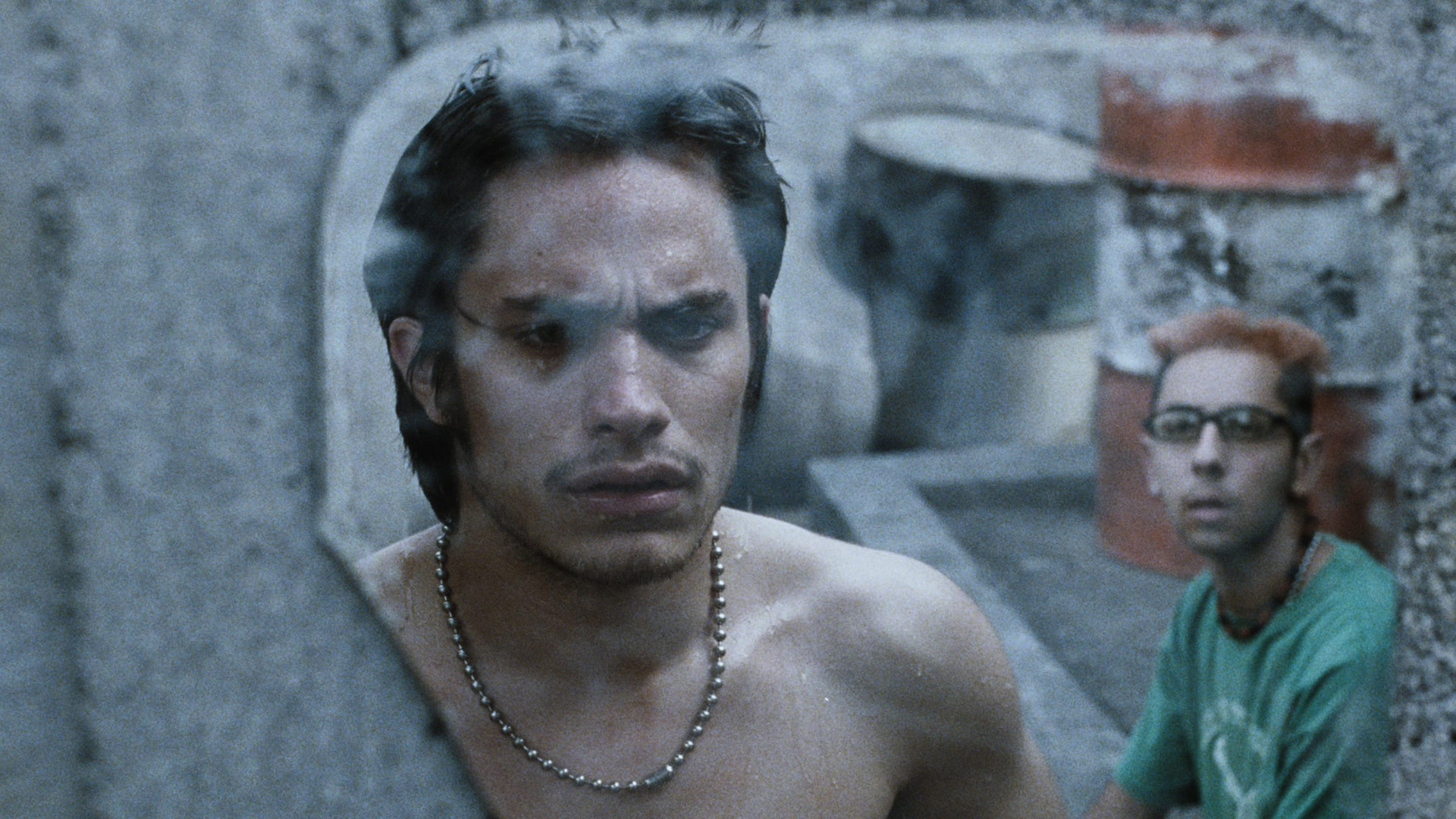
This has been one of my favourite films for years. Latin American cinema has had a huge influence on me, and I’m especially drawn to the rawness here, how affection and violence can exist so close together. I love the interwoven stories and the ambition of bringing very different lives into the same film. It’s the kind of storytelling I keep coming back to.
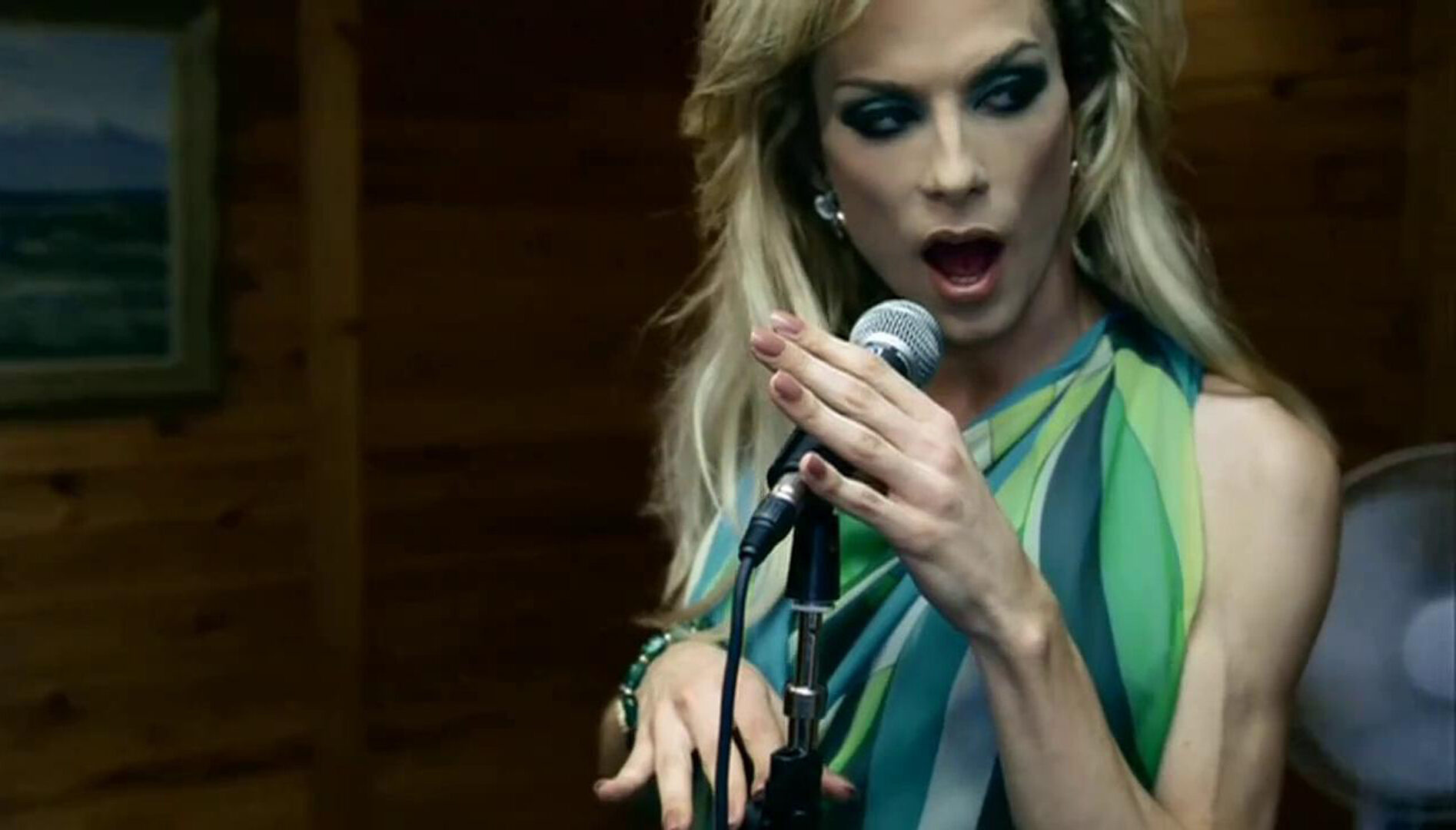
I love this song so much. I remember seeing the video as a young teen and being glued to the TV. I loved how everything happened in one room. Around that time, I was watching a lot of Almodóvar, and it reminded me of Gael García Bernal’s performance in ‘Bad Education’. Seeing that much queerness on screen blew my mind. I didn’t grow up with queer people around me, so at fourteen, this opened up a world for me.
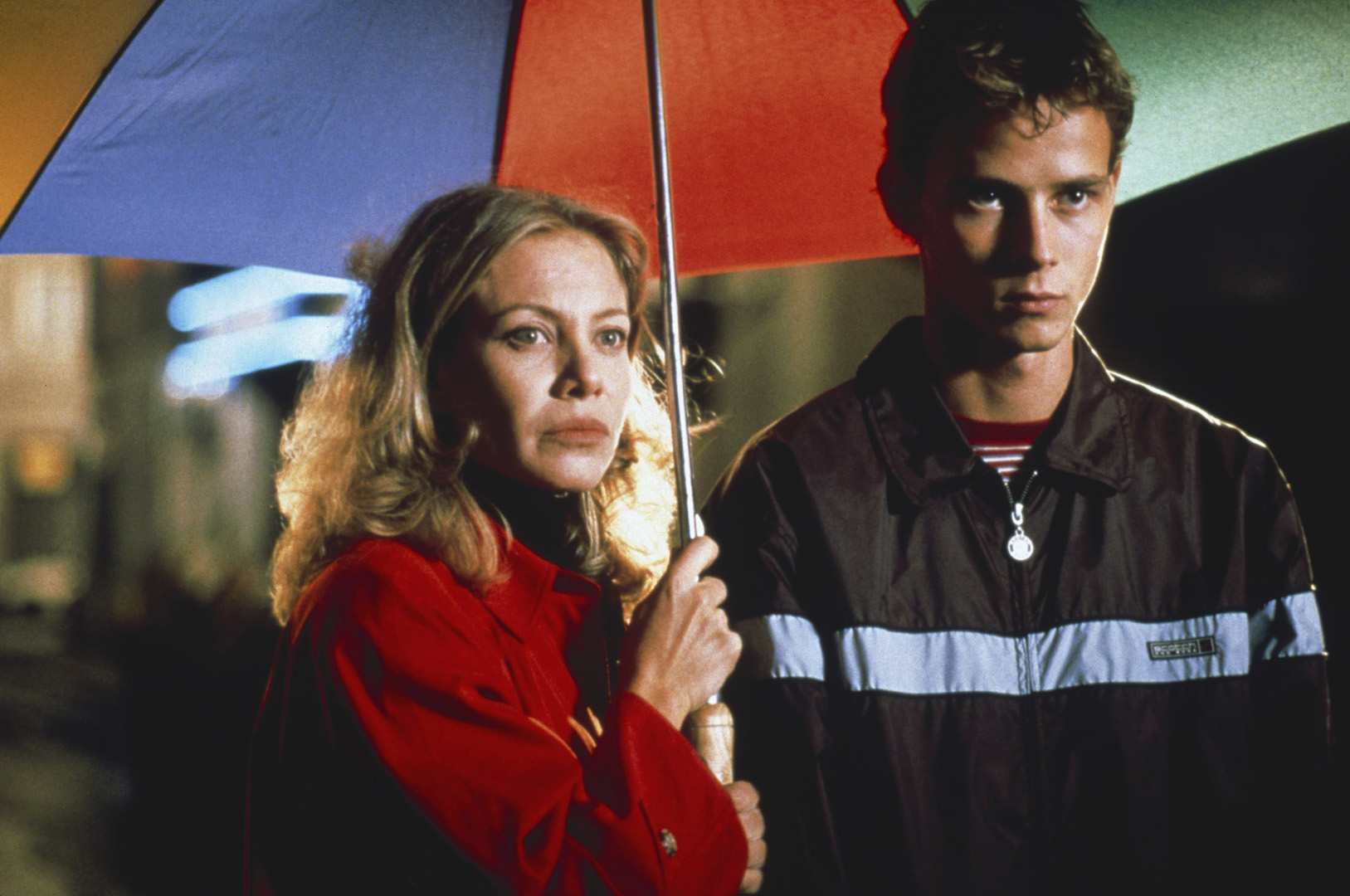
And speaking of Almodóvar… fittingly, my own mum, who’s a massive film buff, introduced me to his films when I was thirteen. He was the first director who made me feel proud to explore my own queerness, and that connection goes well beyond filmmaking. His women, his colours, his humour and the affection he has for his characters have stayed with me ever since. I love ‘All About My Mother’ and I love Pedro.
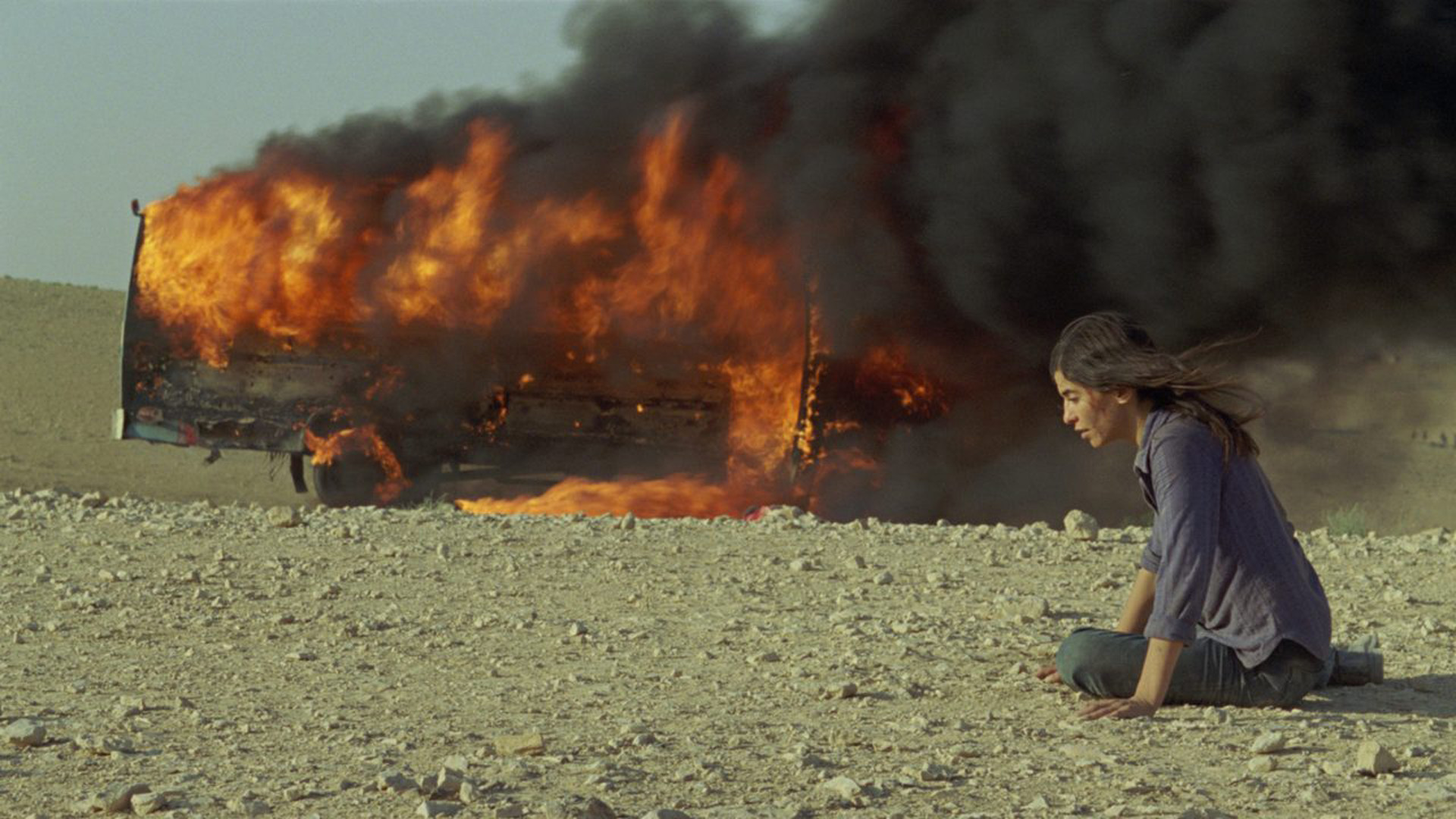
I studied this during my first-ever screenwriting course, and it blew my mind. Taking it apart to understand how it worked made me much more conscious of structure: what you reveal, what you hold back, and when. I still think about how the same scene can feel completely different once you know more. For me, it’s a great example of how carefully constructed storytelling can make a film feel so intense.
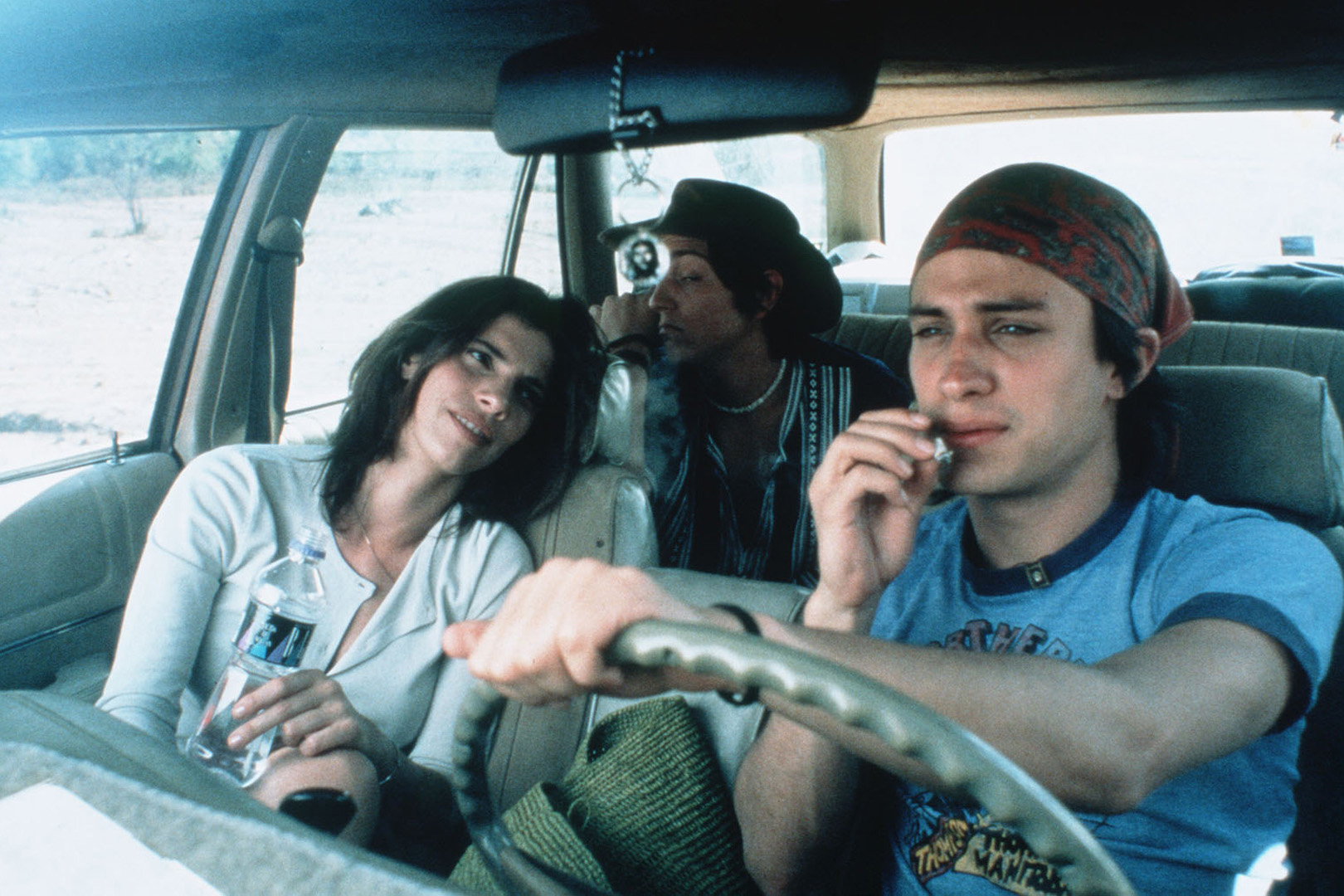
I’m drawn to the freedom and intimacy in this film, especially the way friendship and desire become tangled together. I love when a film allows people to be uncertain about what they feel. I find that openness and the willingness to stay with an uncomfortable moment really inspiring as a director.
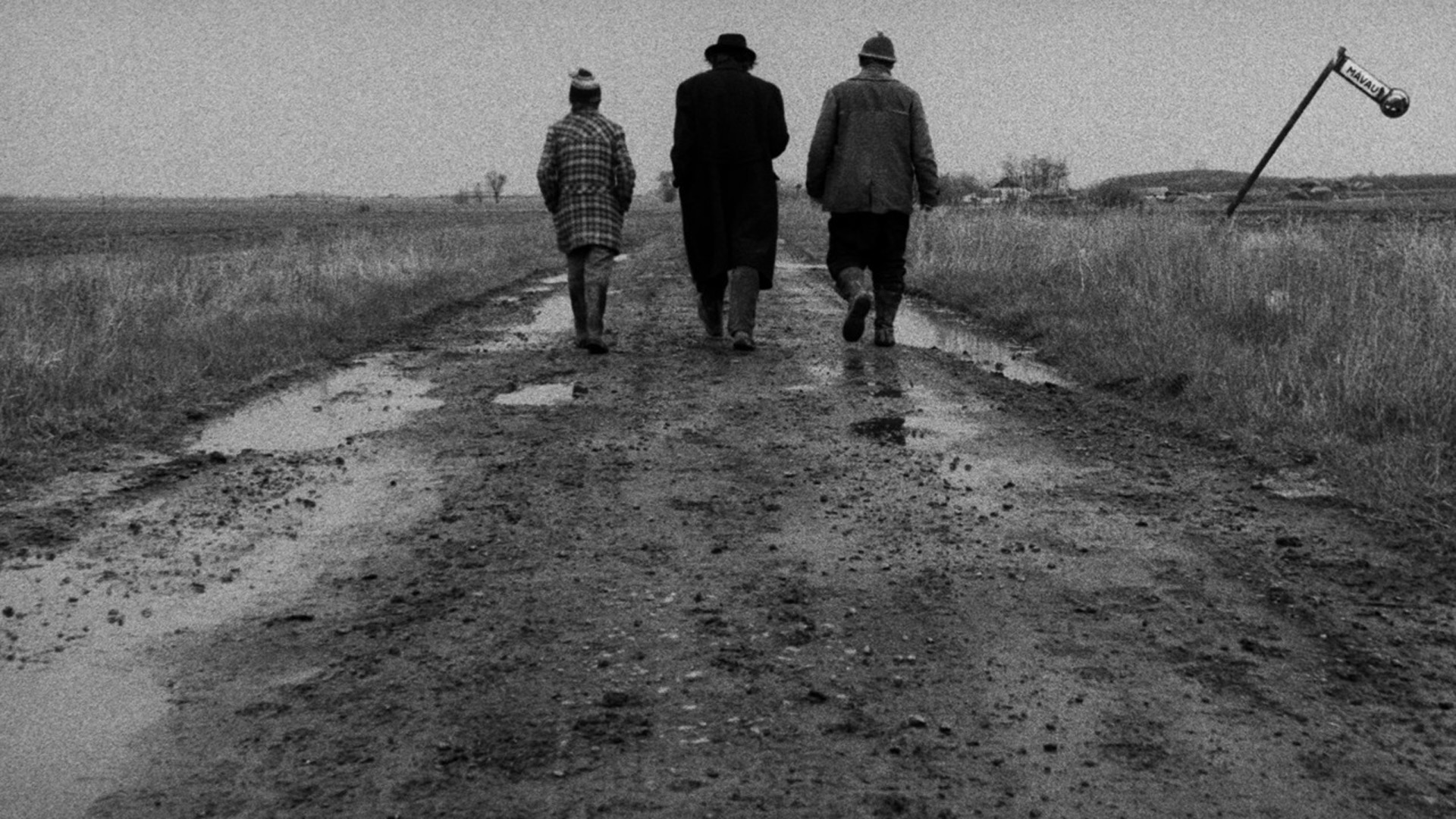
This film changed the way I think about duration. 439 minutes, aka 7 hours and 19 minutes! It reminds me to resist the urge to move on too quickly, to stay with a person or an action and see what else becomes visible. That patience is something I want to keep developing in my own filmmaking, especially when I’m observing rather than directing. Nowadays, everything feels so quick, rushed and fast-paced. This film reminds me how much you can discover when you slow down and pay attention.
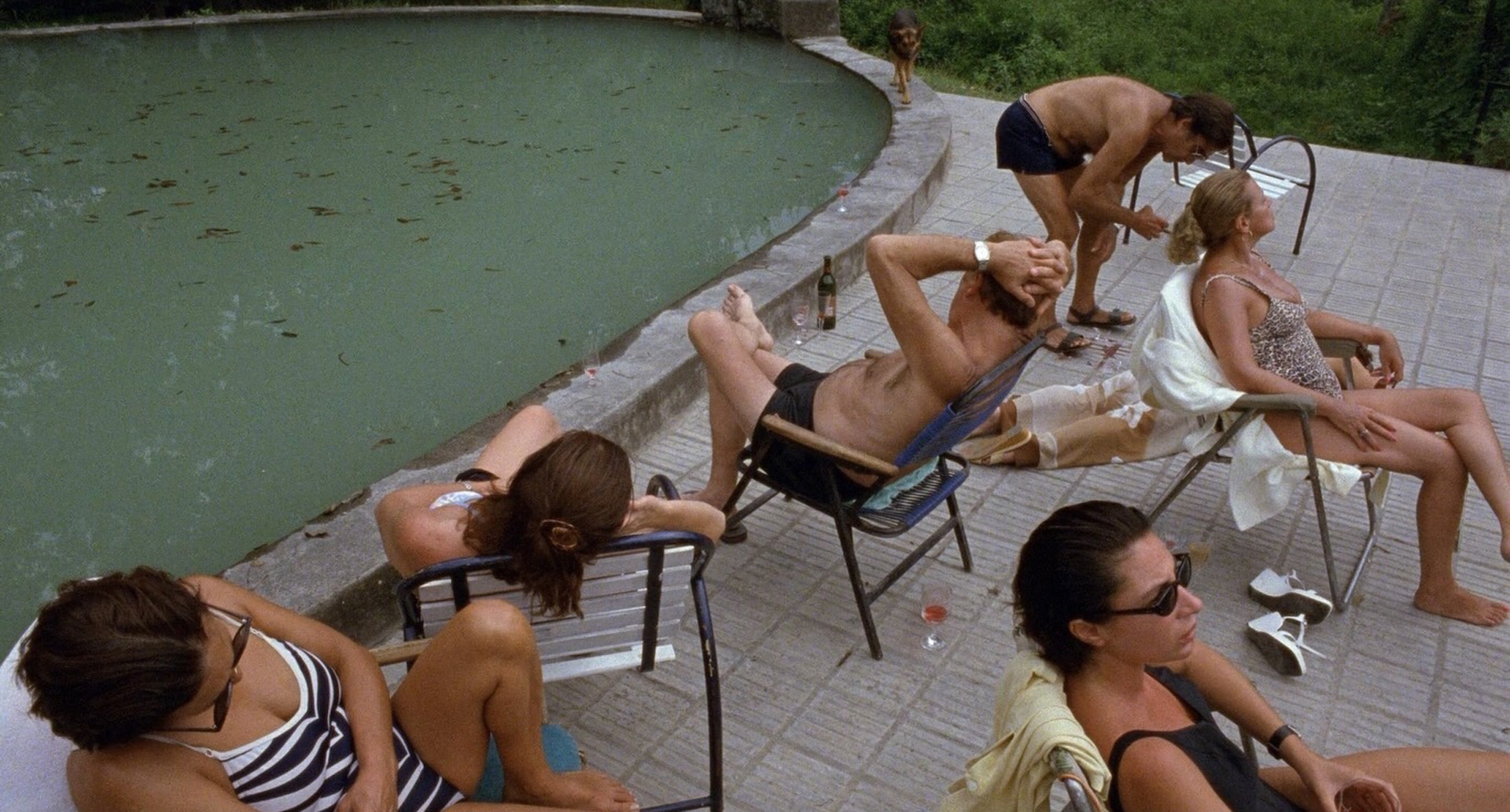
Lucrecia Martel made becoming a director feel possible to me as a woman. I’ve followed her work closely for years, and I find so much wisdom in the way she observes people. The family dynamics and class divisions in ‘La ciénaga’ feel deeply familiar. She makes me pay closer attention to the everyday interactions I might otherwise overlook.
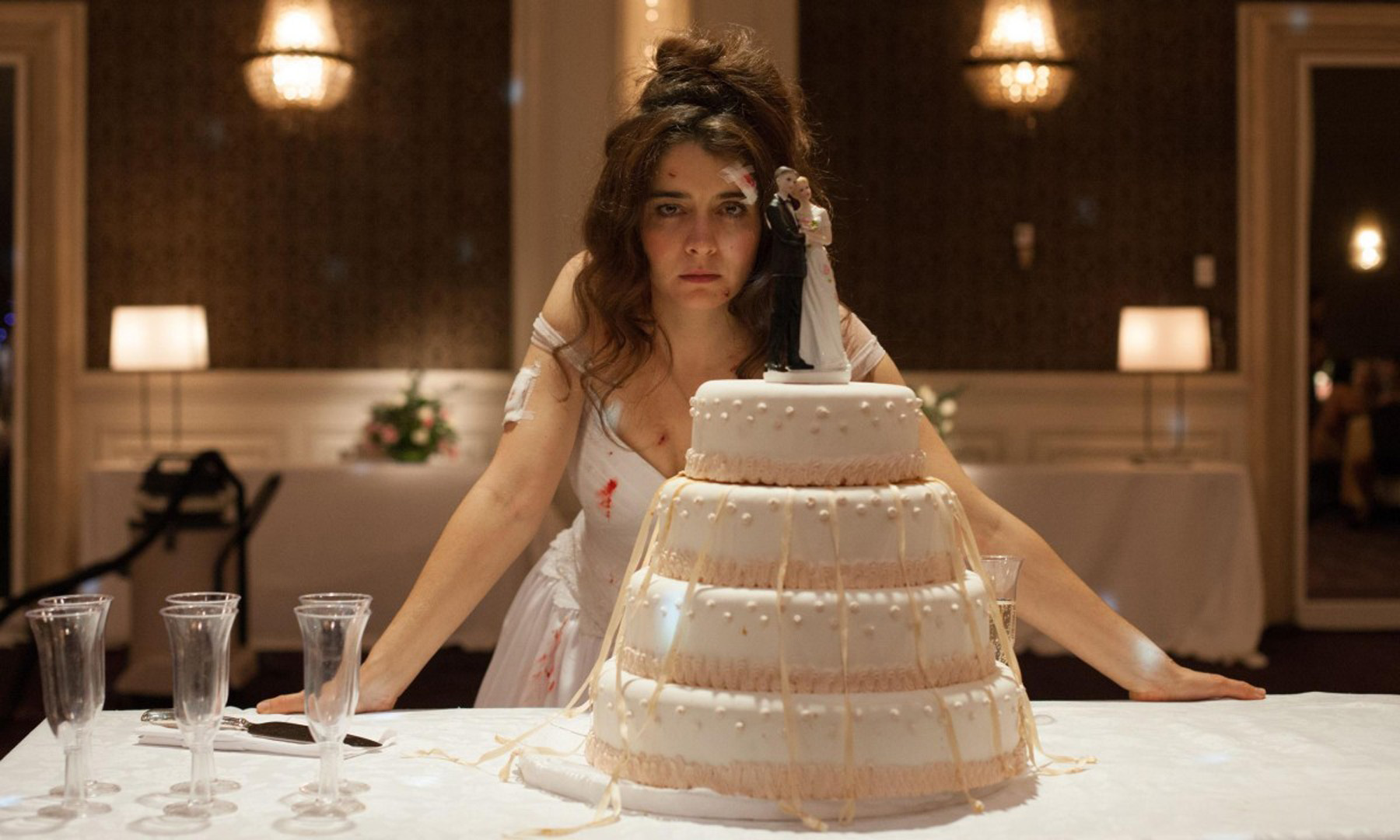
There’s something so familiar to me in this very Argentine mix of frustration, absurdity and humour. I love being made to laugh at something uncomfortable. The film is divided into six independent stories, and there’s something I enjoy in every one. The precision of the performances and the timing keep inspiring me, especially how far you can push a situation while staying committed to the characters.