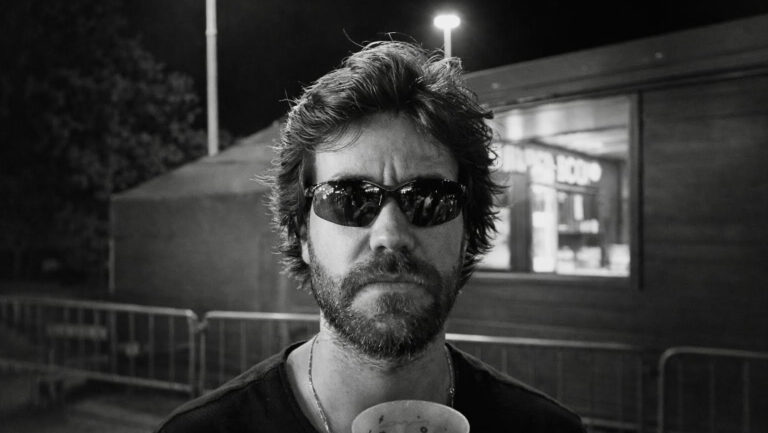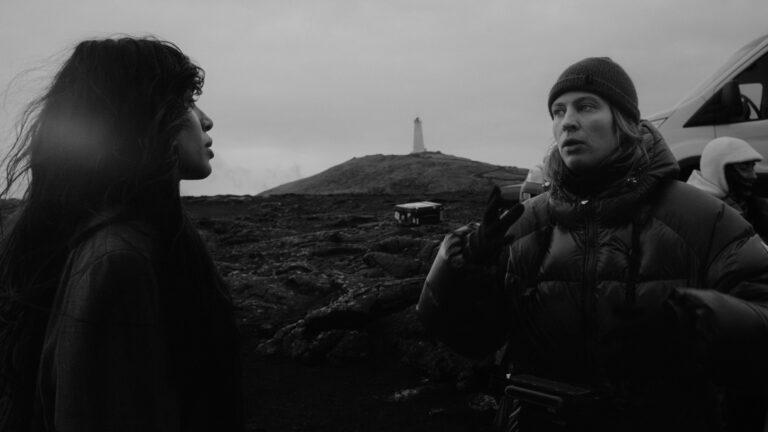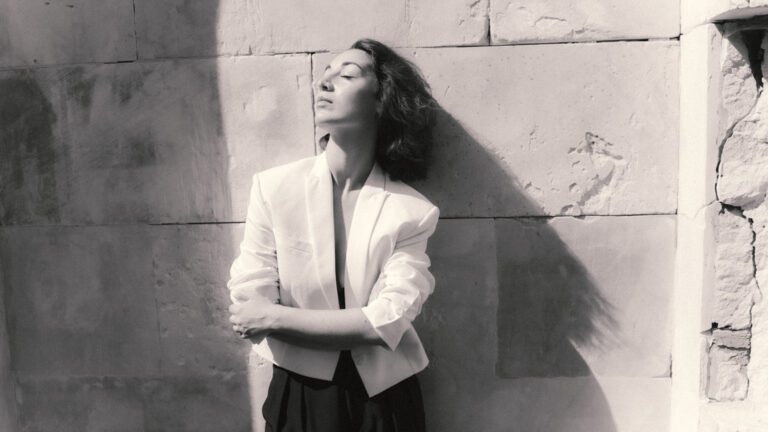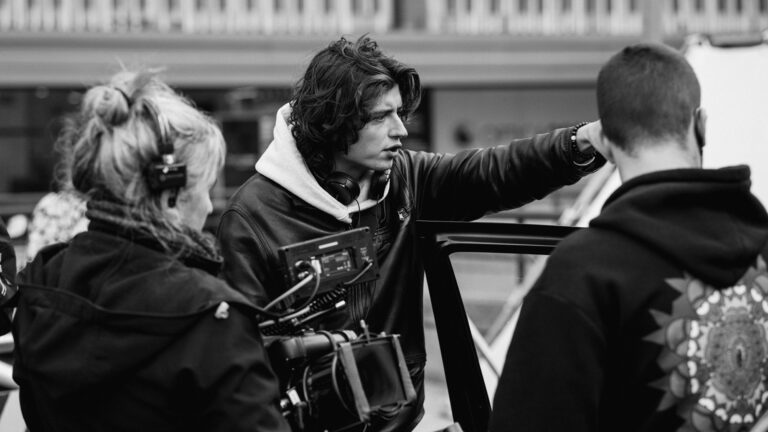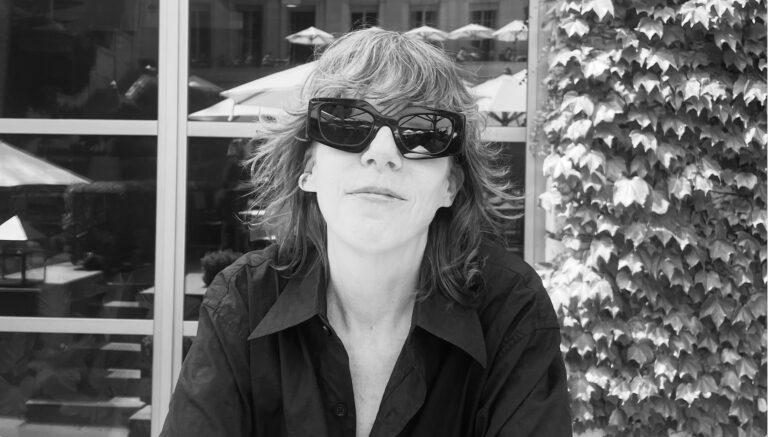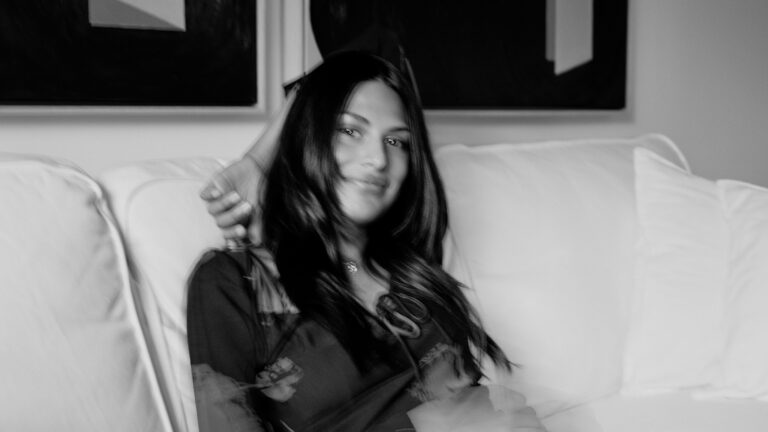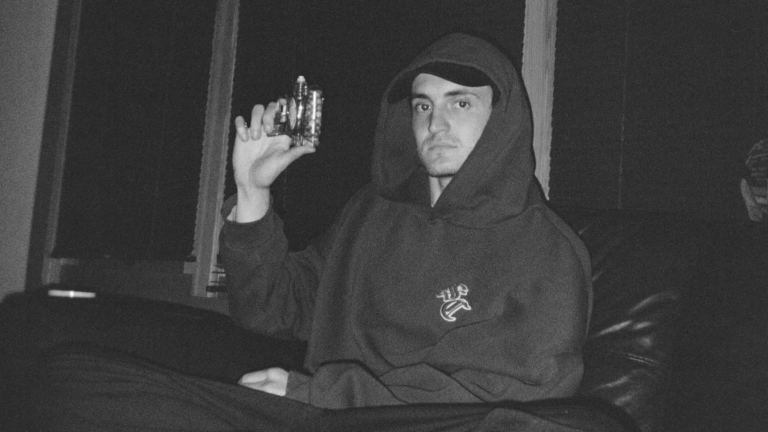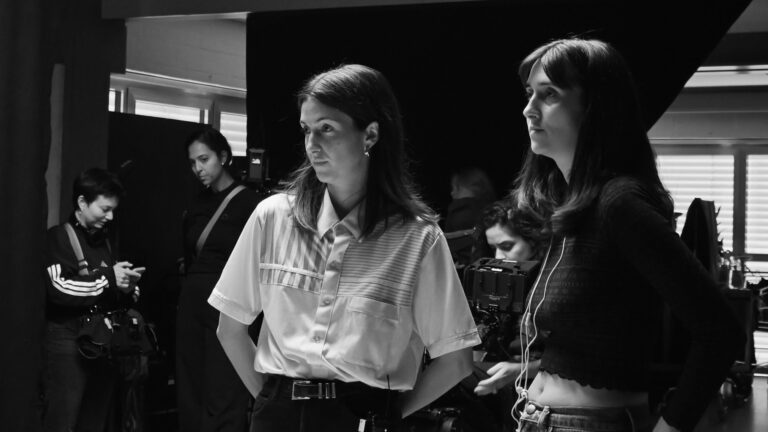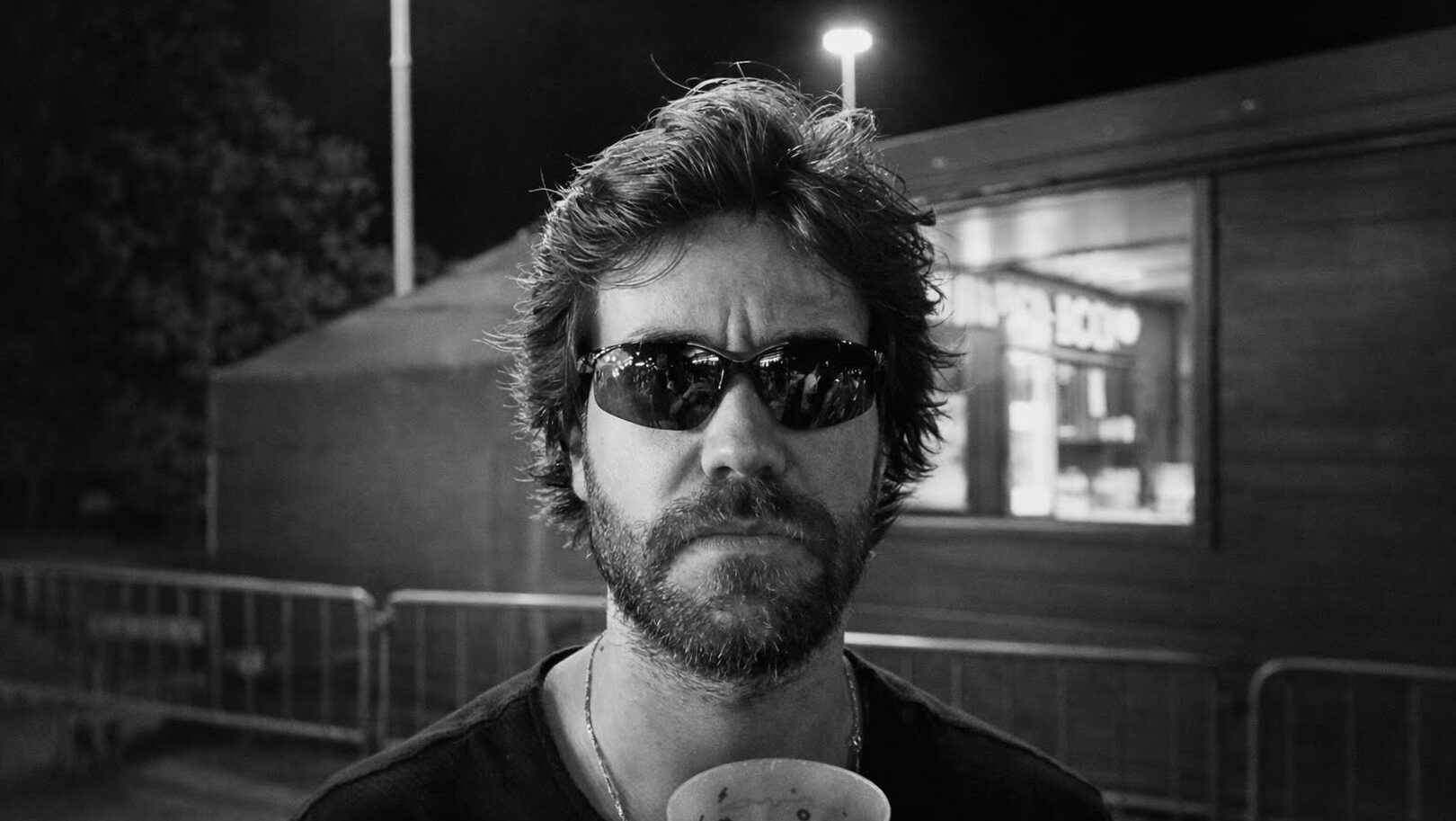
Below are Ruben’s SELECTS:
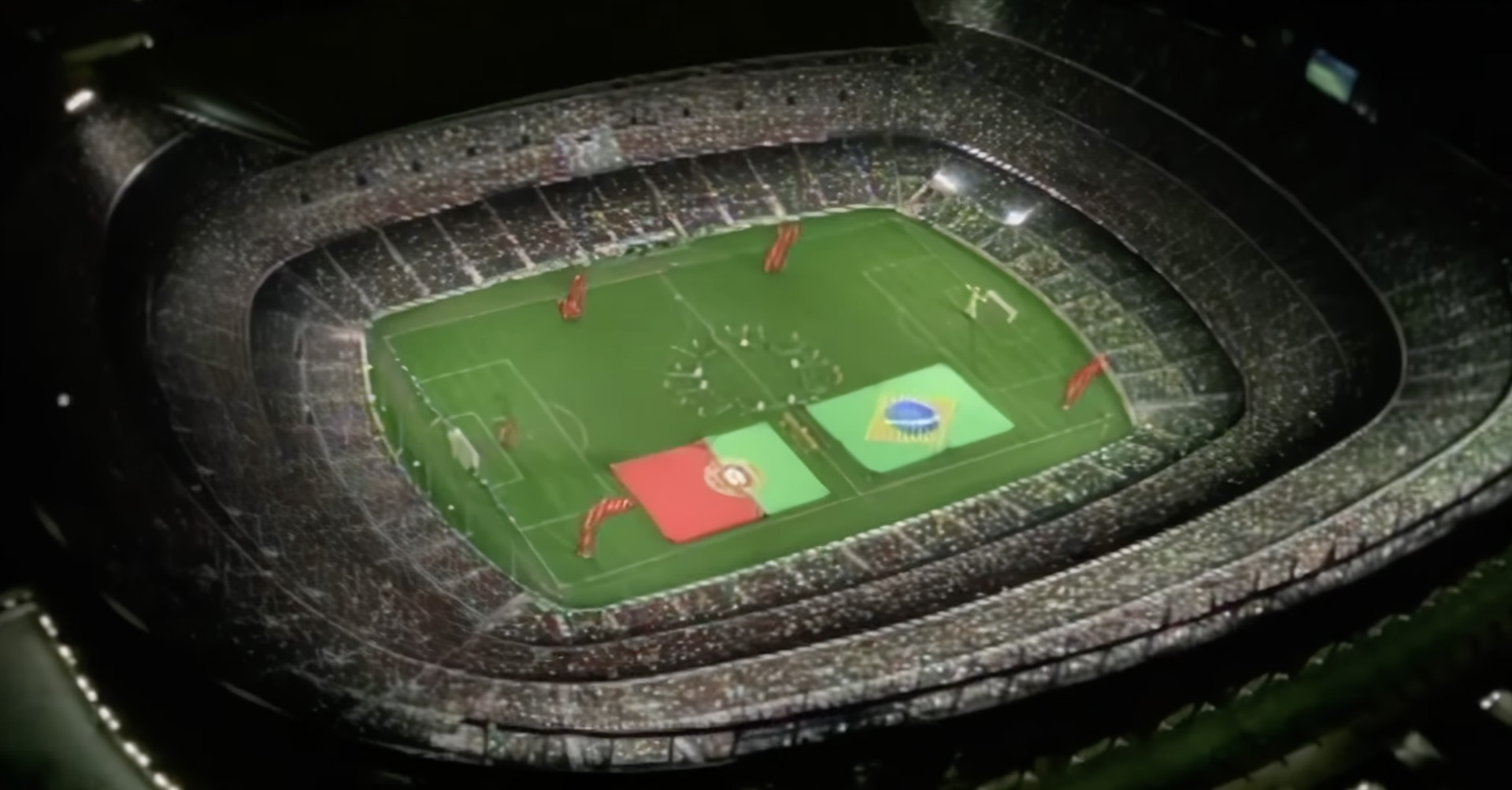
This film takes me straight back to being a kid, when football felt like the centre of the world. Growing up in the era of Figo, Ronaldo Fenómeno and Ronaldinho, the Brazilian national team felt like pure spectacle and joy. The idea that the game could be beautiful was something we actually tried to live, not just watch. We would go outside, play in the street, try tricks, do olés to each other and imagine ourselves inside that world. Beyond the way it is filmed, what stayed with me is how it shaped the energy of my group of friends and our afternoons. It created a feeling that football could be playful, expressive and cinematic at the same time.
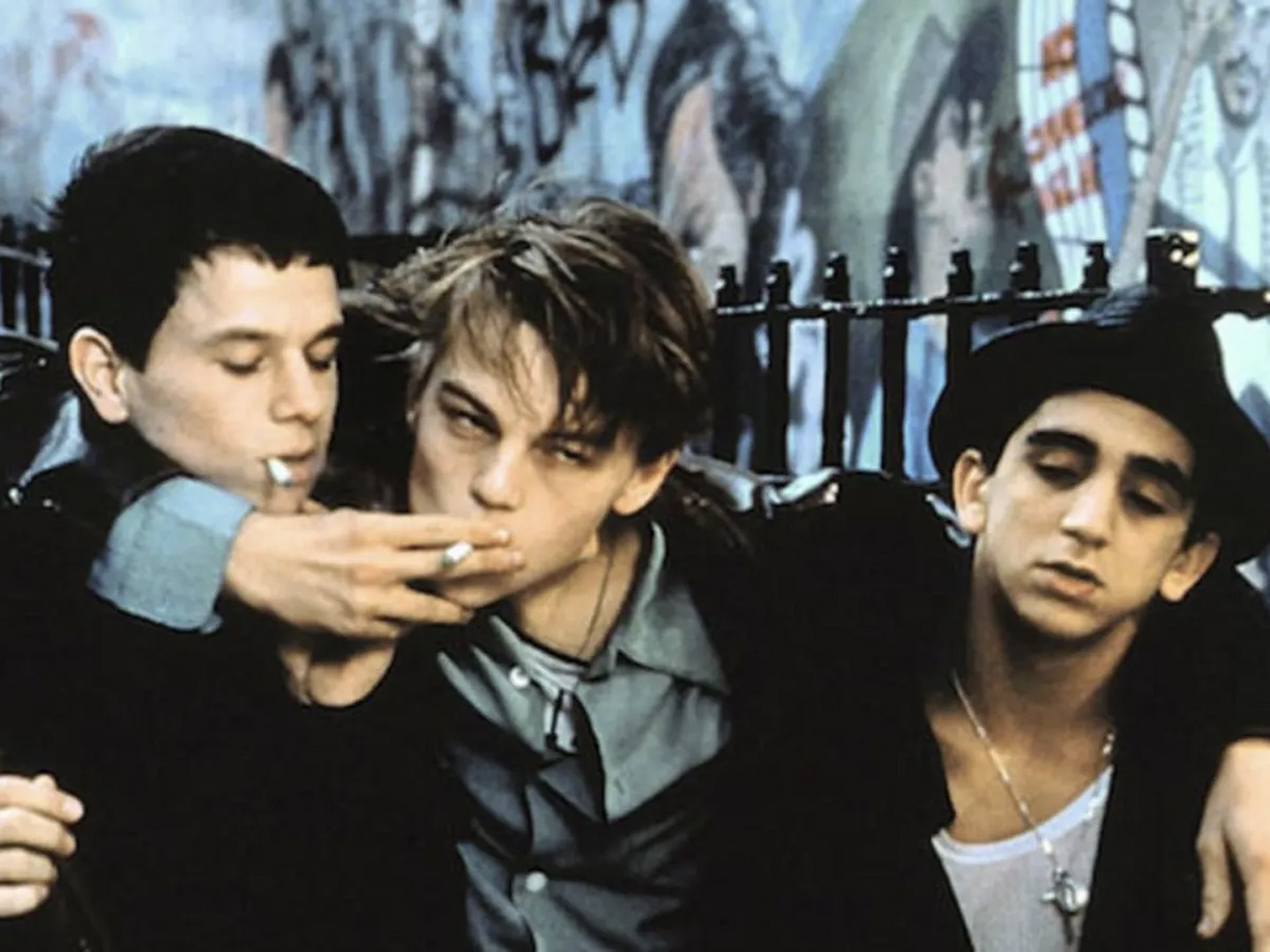
I believe films work a bit like music, they hit you differently depending on the age and the moment you see them. I watched ‘The Basketball Diaries’ when I was very young and it affected me deeply. The way youth, addiction and loss of innocence are portrayed felt brutal and honest. I remember watching it with my family and feeling uncomfortable with how raw some of the moments were. That discomfort is probably why it stayed with me. The performances feel exposed and fragile, and the camera often feels too close for comfort. It taught me that cinema can be confronting and still deeply human.
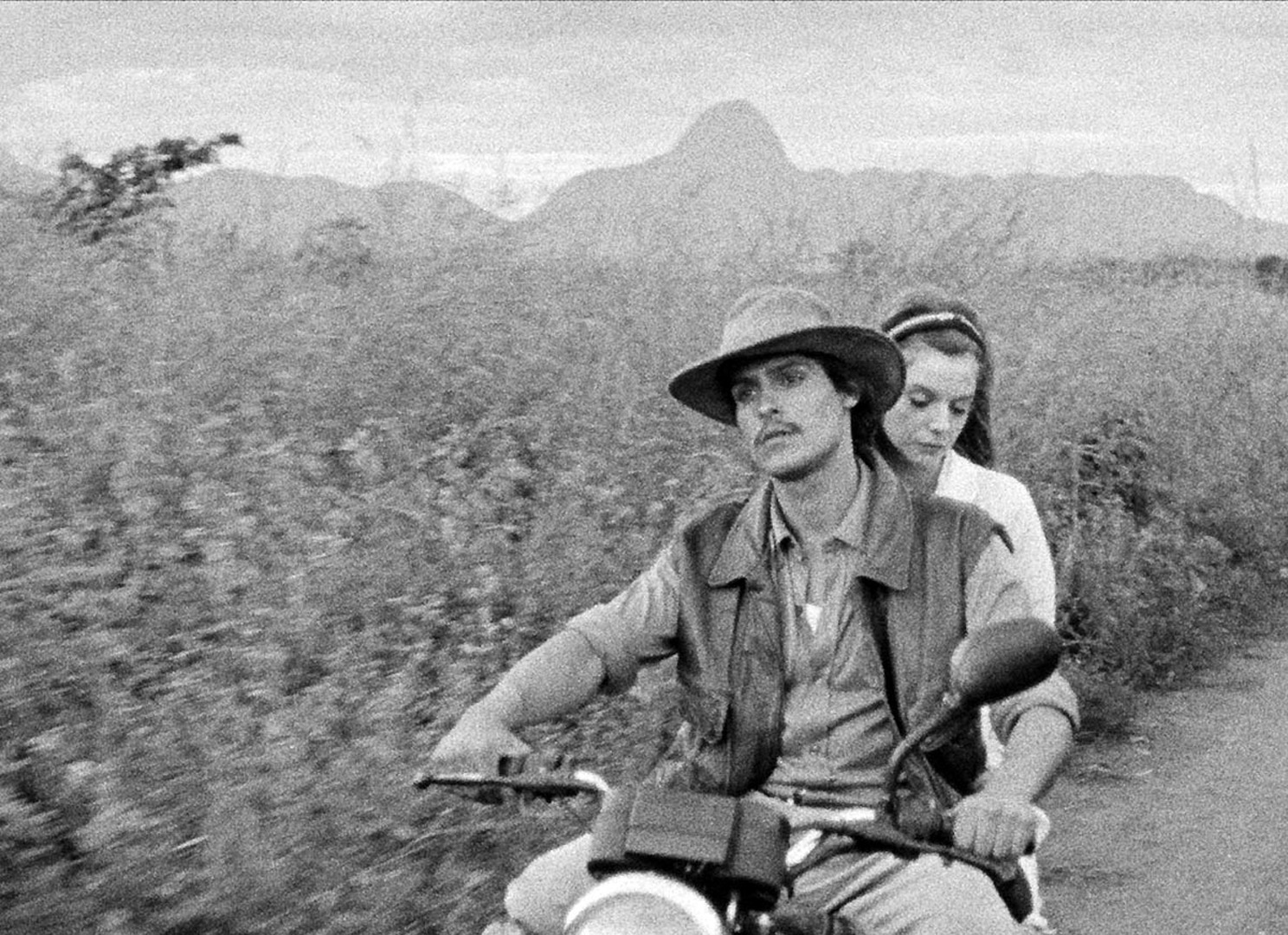
‘Tabu’ is probably my favourite Portuguese film. It feels deeply personal while also being playful with form and storytelling. I love how it moves between reality and memory, between something grounded and something almost mythical. There is a strong sense of saudade (doesn’t have a direct translation in english, but it’s something like a deep sense of longing or missing someone that you love) in the film, but it is not nostalgic in an empty way. It feels like a film that is very aware of Portuguese identity without being obvious about it. It showed me that cinema from Portugal can be bold, poetic and formally free. It gave me confidence in embracing a local voice with universal emotion.
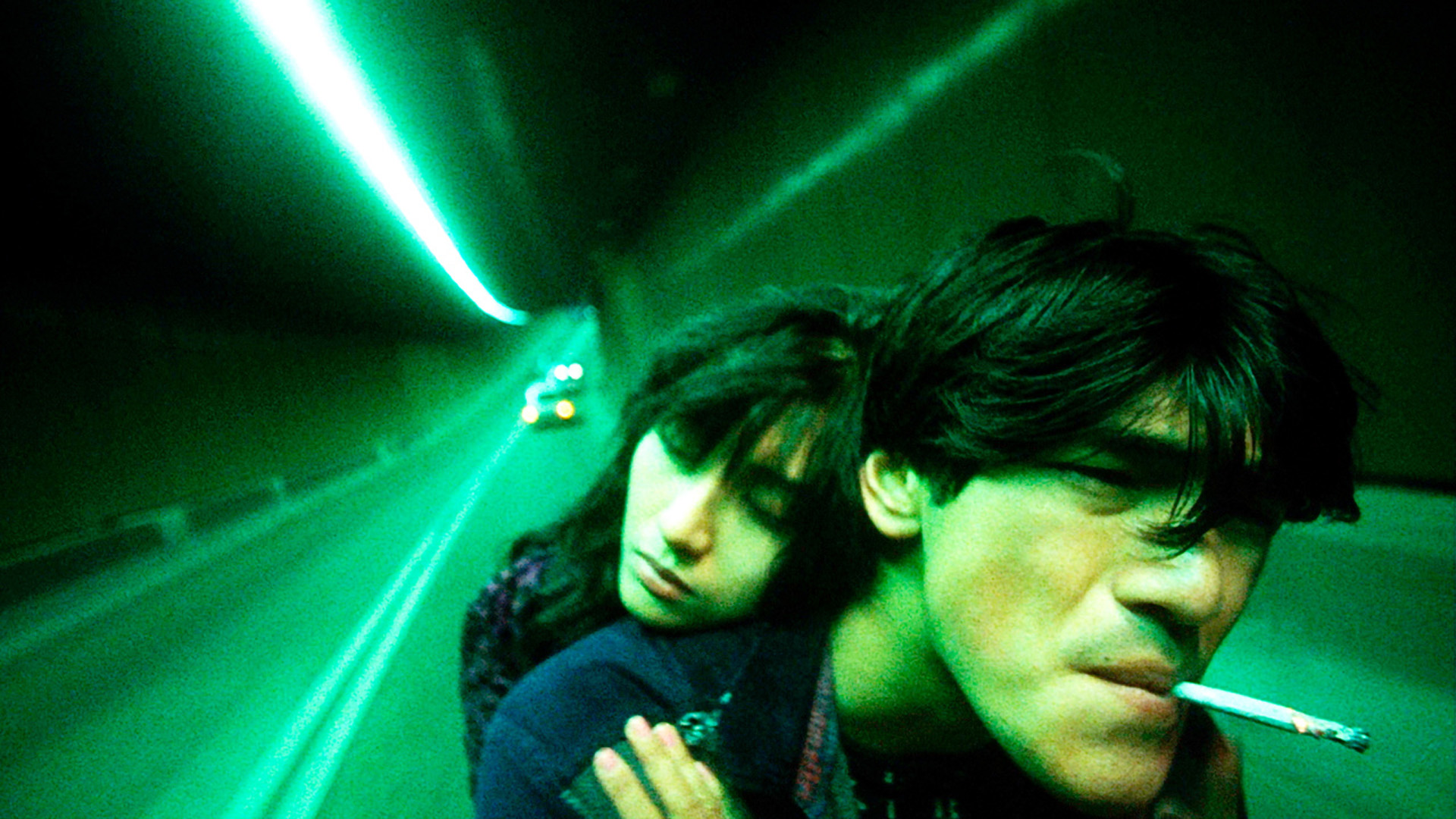
I cannot fully explain why this film hit me so deeply, but it stayed with me from the first time I saw it. The loneliness, the rhythm of the city at night and the way characters seem to drift through space felt very close to how I experience certain moments in life. The camera is so intimate and restless that it almost feels like a character itself. There is something raw and romantic at the same time in the way emotions are portrayed. Looking back, I realise it shaped how I think about atmosphere more than plot. It made me believe that mood and feeling can carry a story on their own.
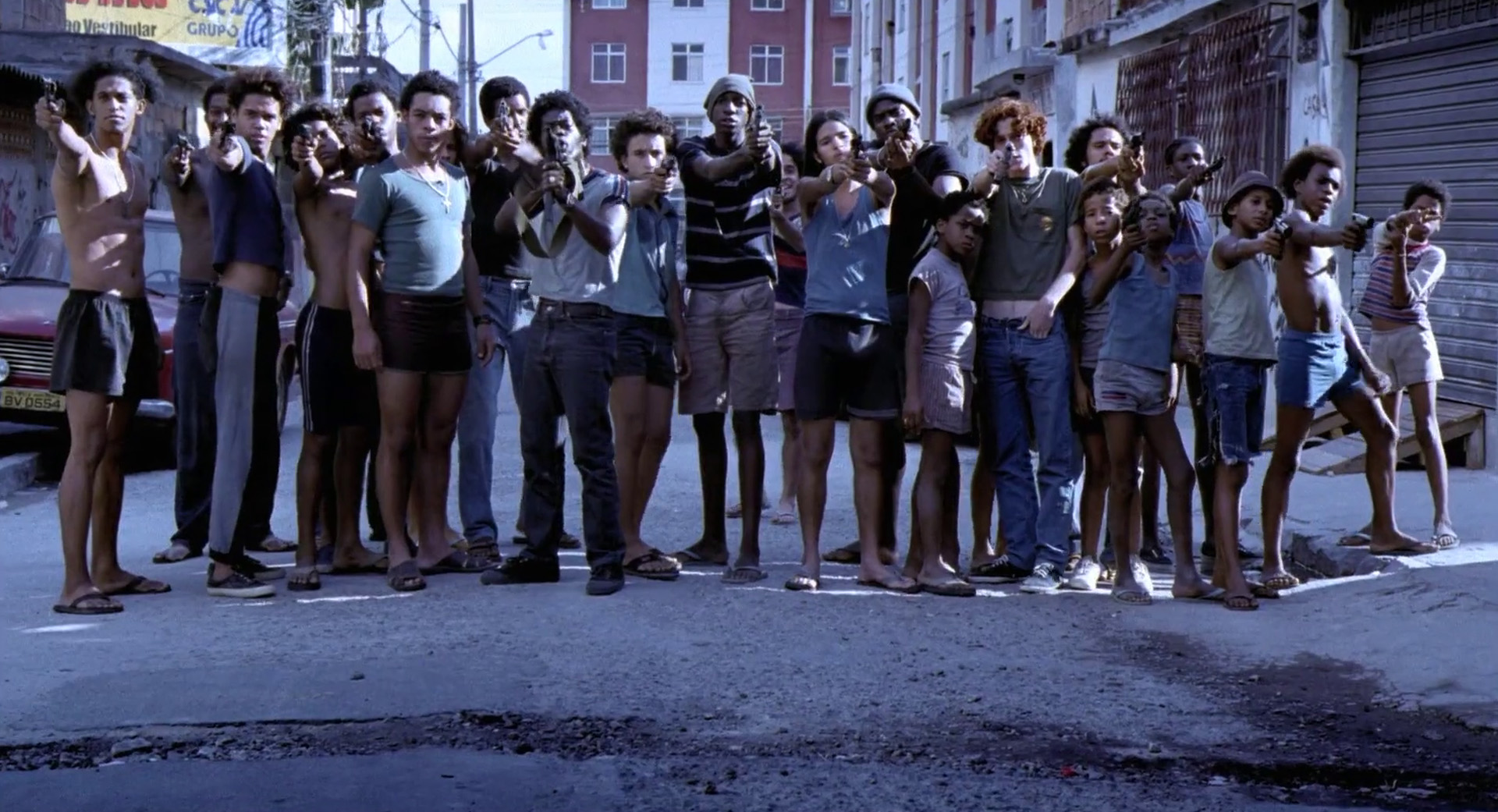
‘City of God’ struck me mainly because of how raw everything feels. The acting is incredibly natural, almost documentary-like, and that makes the world of the film feel very real. I don’t know, it’s just a masterpiece and a film I’ve watched so many times.
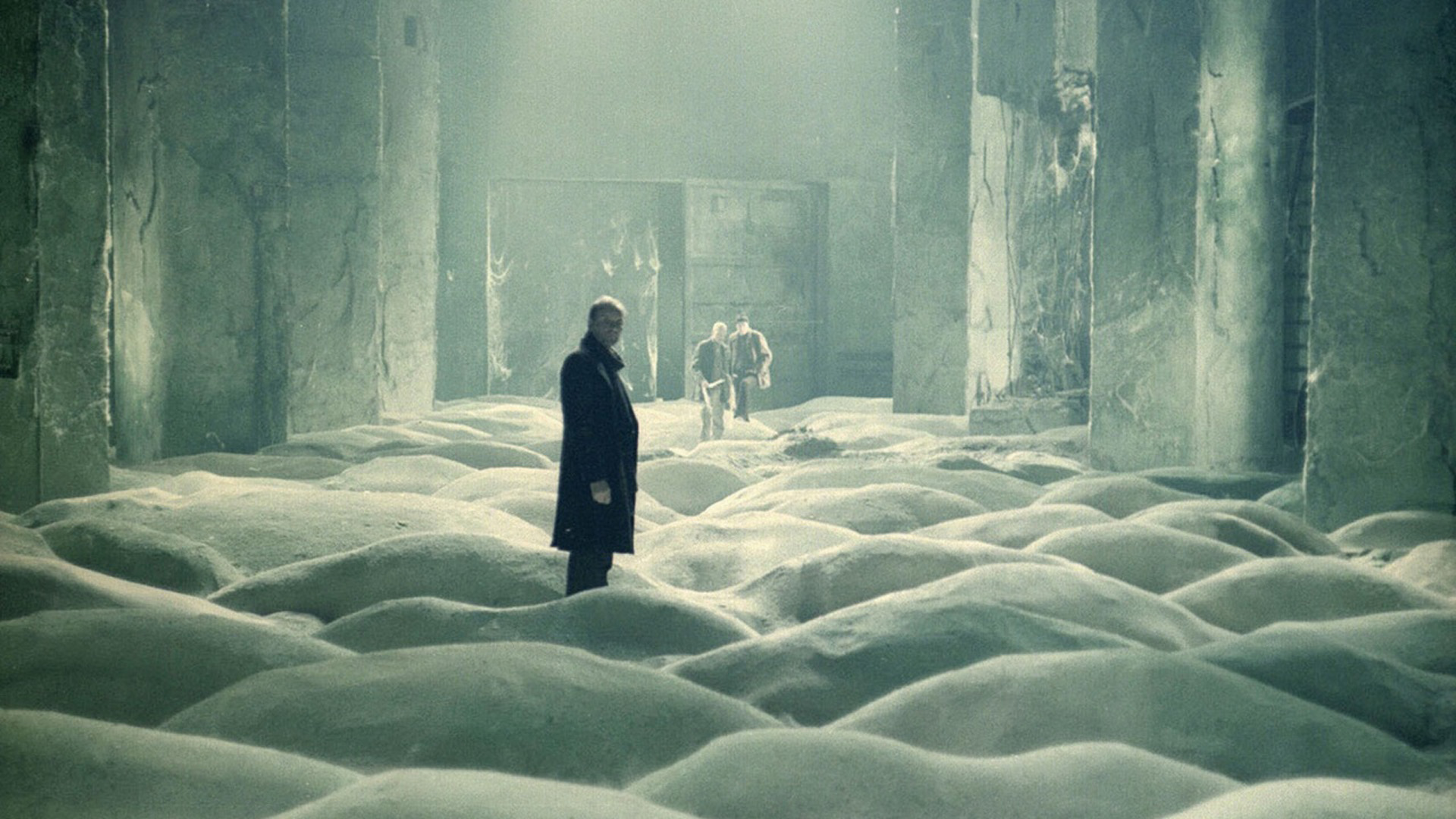
The visuals of this film haven’t aged a day. ‘Stalker’ was one of those films that taught me how powerful slowness can be in cinema. So many references I’ve seen from this movie. The way Tarkovsky allows time to breathe makes you experience the film more than just watch it. At the same time, it has such amazing visuals. The landscapes and spaces feel almost spiritual, like they are alive and observing the characters. It is a film that asks for patience, but gives you many different ideas to create from there.
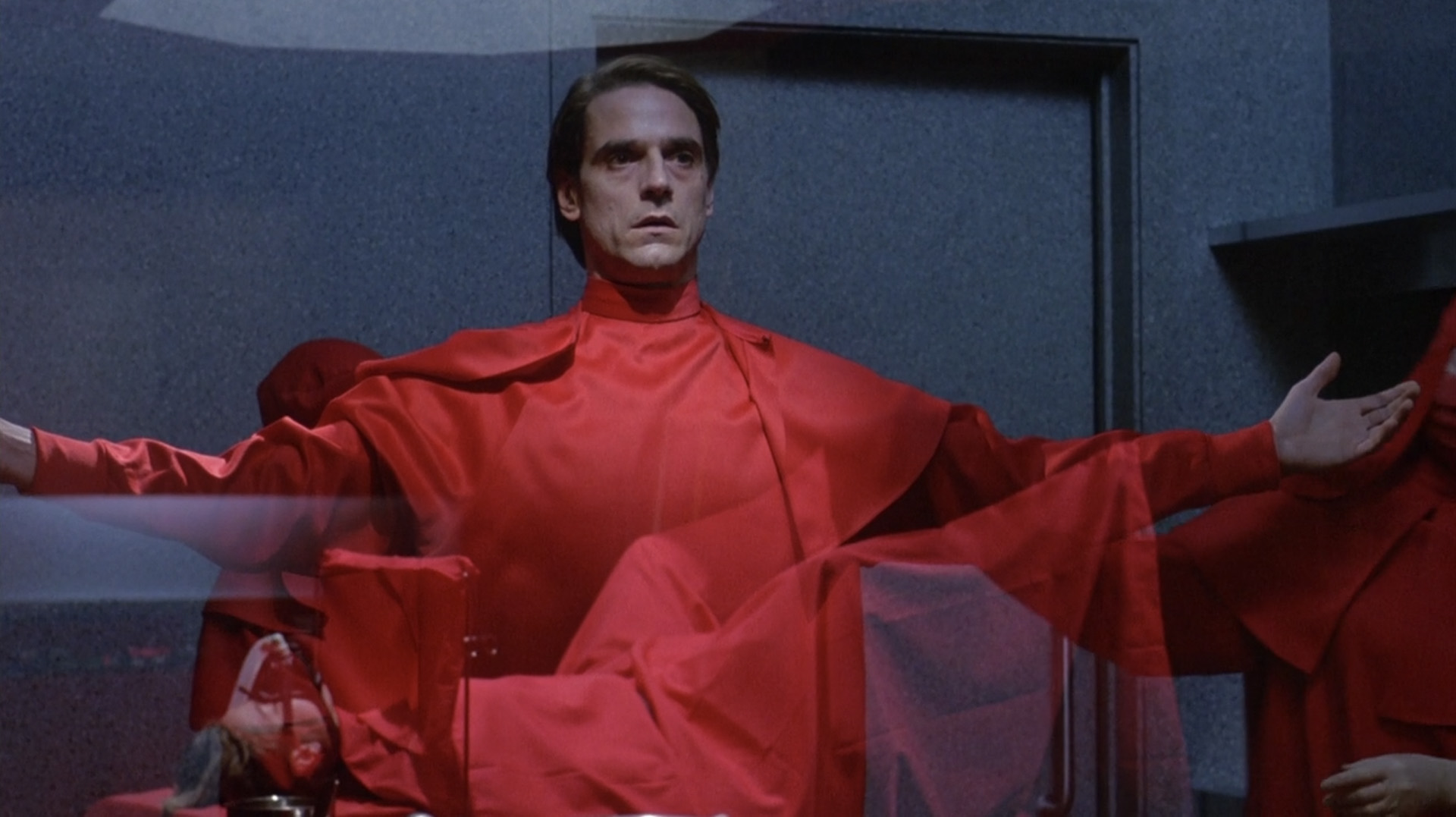
‘Dead Ringers’ unsettled me in a way that very few films have. There is something deeply disturbing but also strangely tender in the relationship between the two characters. The atmosphere is cold and clinical, yet the emotions underneath feel messy and human. Cronenberg’s way of exploring identity and obsession feels very physical, almost bodily.
This is one of those music videos people recommend not by saying the artist, but by saying you have to watch this video. The scale and ambition of it feel cinematic in a way that goes far beyond a typical clip. There is a sense of mystery and grandeur that pulls you in immediately. After watching it, I went straight to the behind the scenes because I needed to understand how it was made. The location, the casting, the uniformity of the crowd, everything feels carefully constructed. It is one of those works that becomes a reference point in conversations between directors. It reminds me how powerful a music video can be as a standalone piece of cinema.
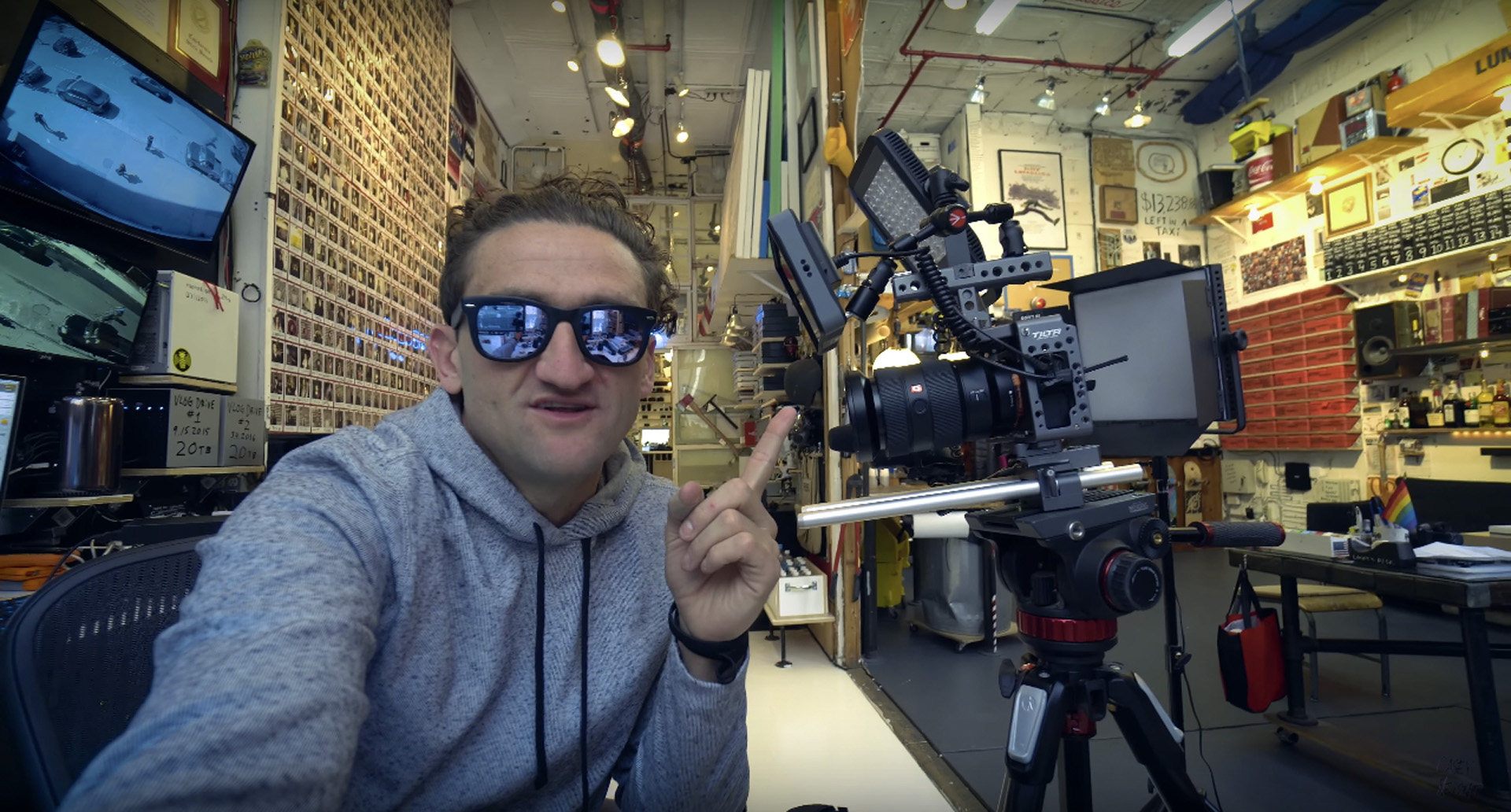
Gotta finish with this one. Watching Casey was the moment when filmmaking stopped feeling distant and started feeling possible. I had already seen classic films, contemporary cinema, commercials and music videos, and I was studying film when I first discovered his work, but this felt different. While I was learning all the processes of making a film, the bureaucracy of funding and everything around it, he showed me that you do not need permission to create, you just need a camera and the will to start. That spirit of going out, filming your own life and building stories from nothing felt incredibly liberating to me at the time. It pushed me to pick up a camera, make my own short films and even my own vlogs (it happened) without feeling embarrassed about it. I mean, sometimes inspiration comes from people who simply start creating and share their point of view with the world.